
Streamline Moderne
Architecture
If you encounter a building that could pass for a retro ocean liner – curved edges, polished surfaces and an Art Deco flair – you’re almost certainly looking at a Streamline Moderne structure. As the 1920s turned into the ‘30s, the design world became increasingly obsessed with aerodynamics, and ocean liners were perfect exemplars of refined sleekness. In the same way that designers of great ocean vessels shed any ornament which could impede forward progress through the water, Streamline Moderne architects eagerly discarded historical practices that (in their view) held back the discipline. Gone were all flourishes and revivalist tendencies. In was the path to the austere International Style.
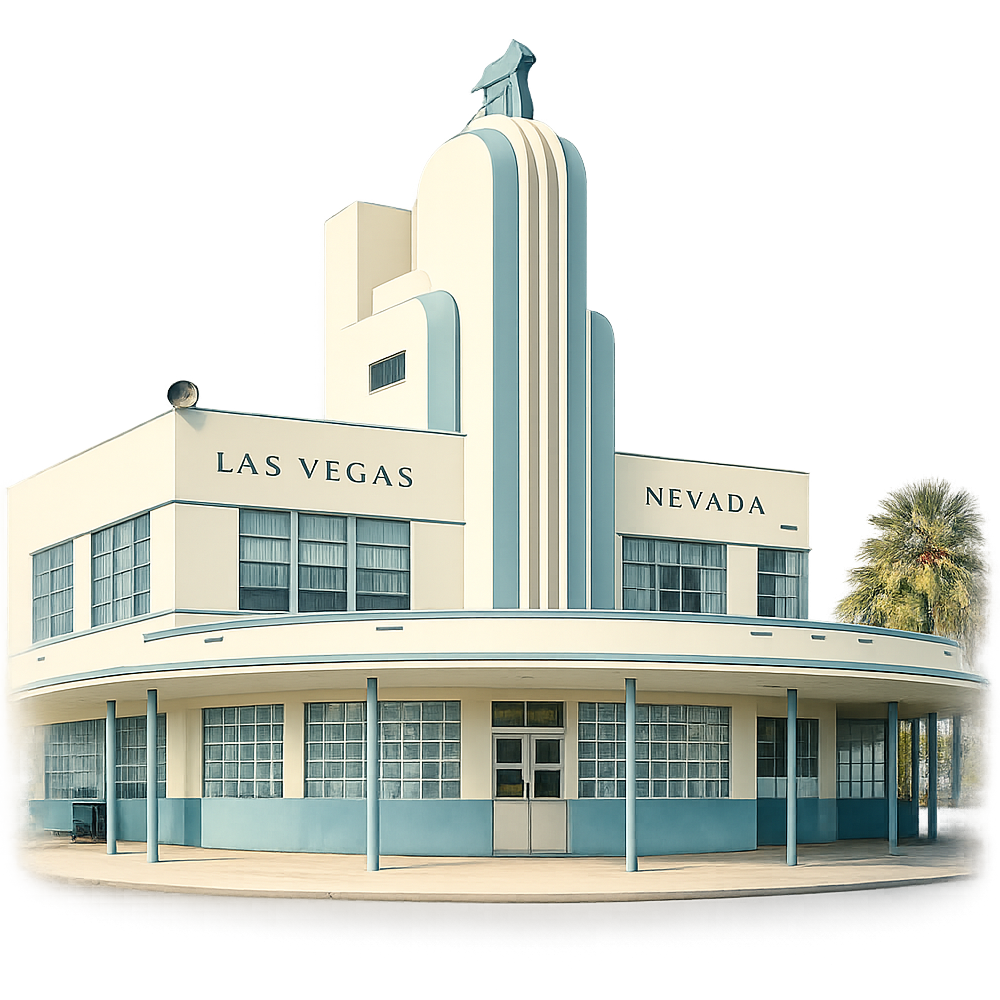
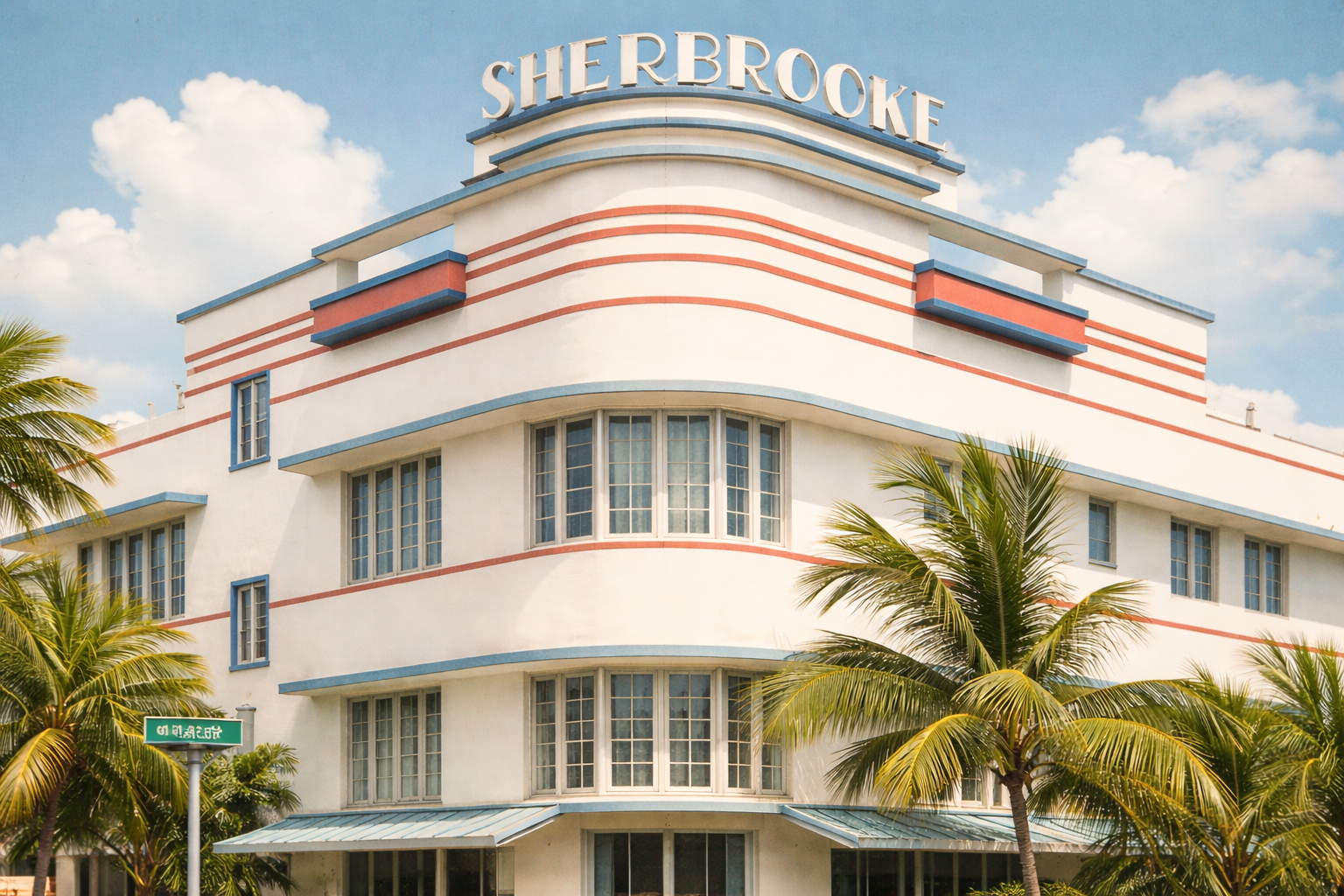
Rounded corners
Where traditional Art Deco buildings would turn into right angles at the corners, Streamline Moderne buildings curve at the edges, emphasizing sleekness
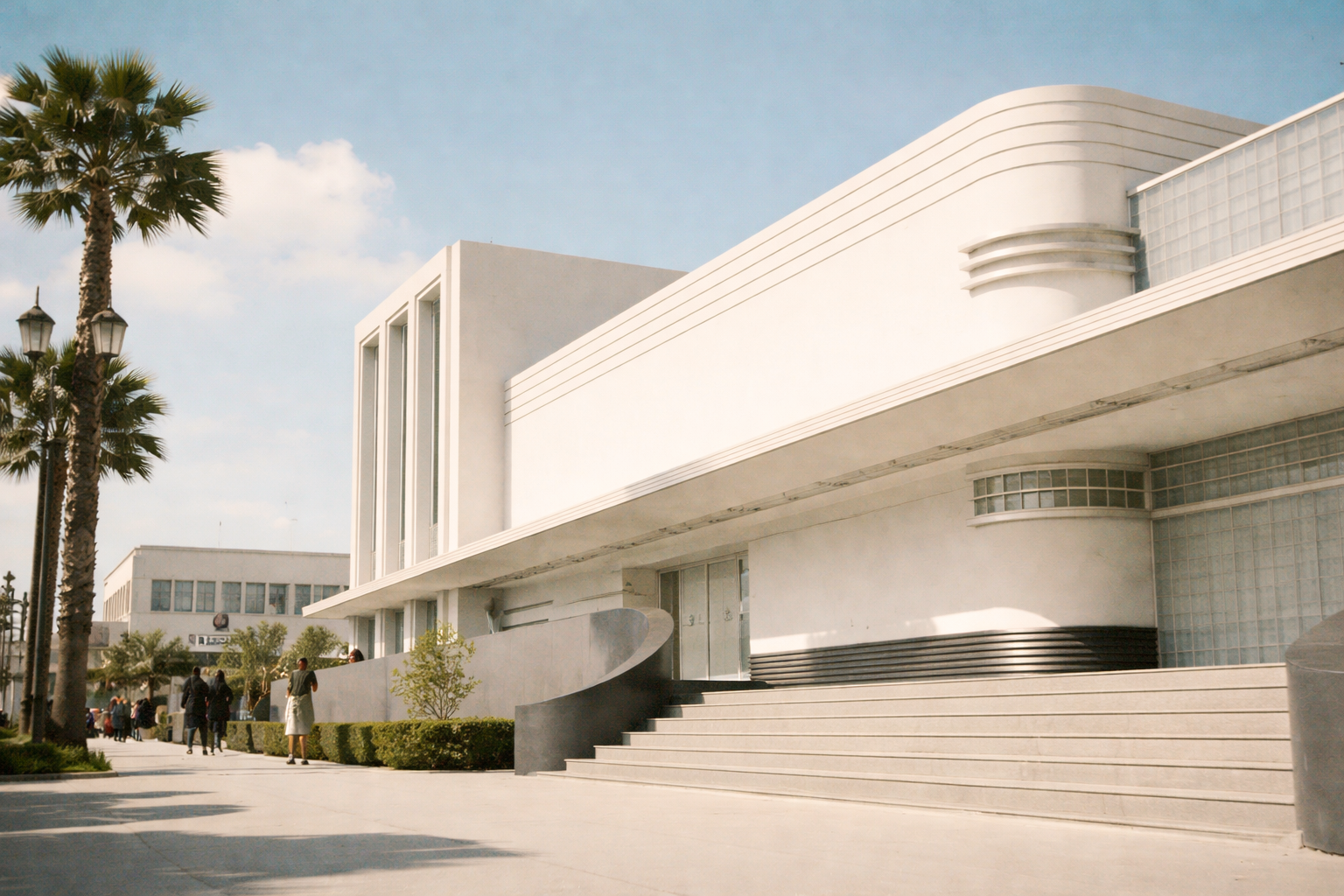
Long horizontal lines
Long, horizontal lines evoke motion and speed, visually representing the flow of air past surfaces
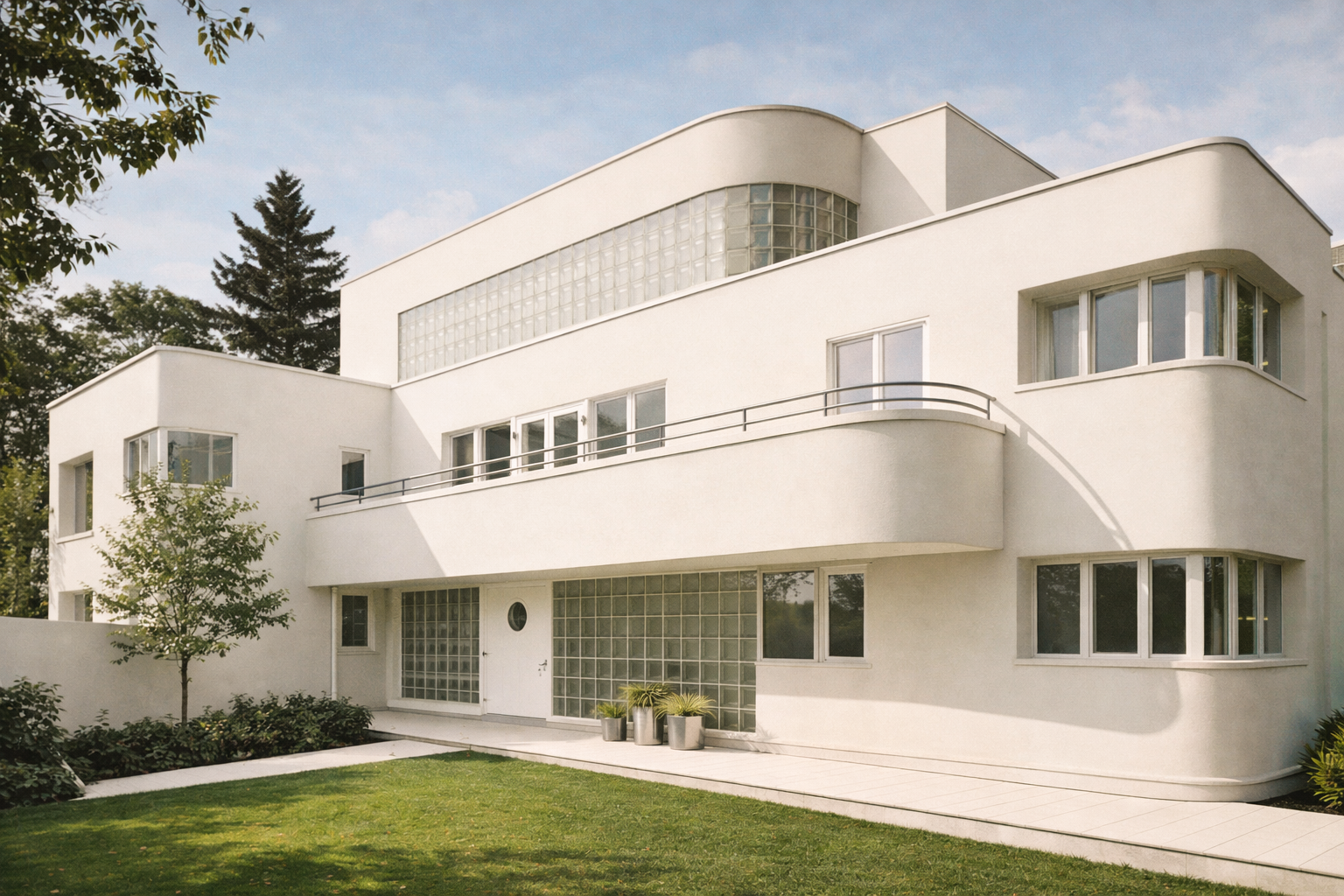
Smooth, polished surfaces
In keeping with the streamlined focus of the style, surfaces are always smooth and polished, with little to no ornamentation
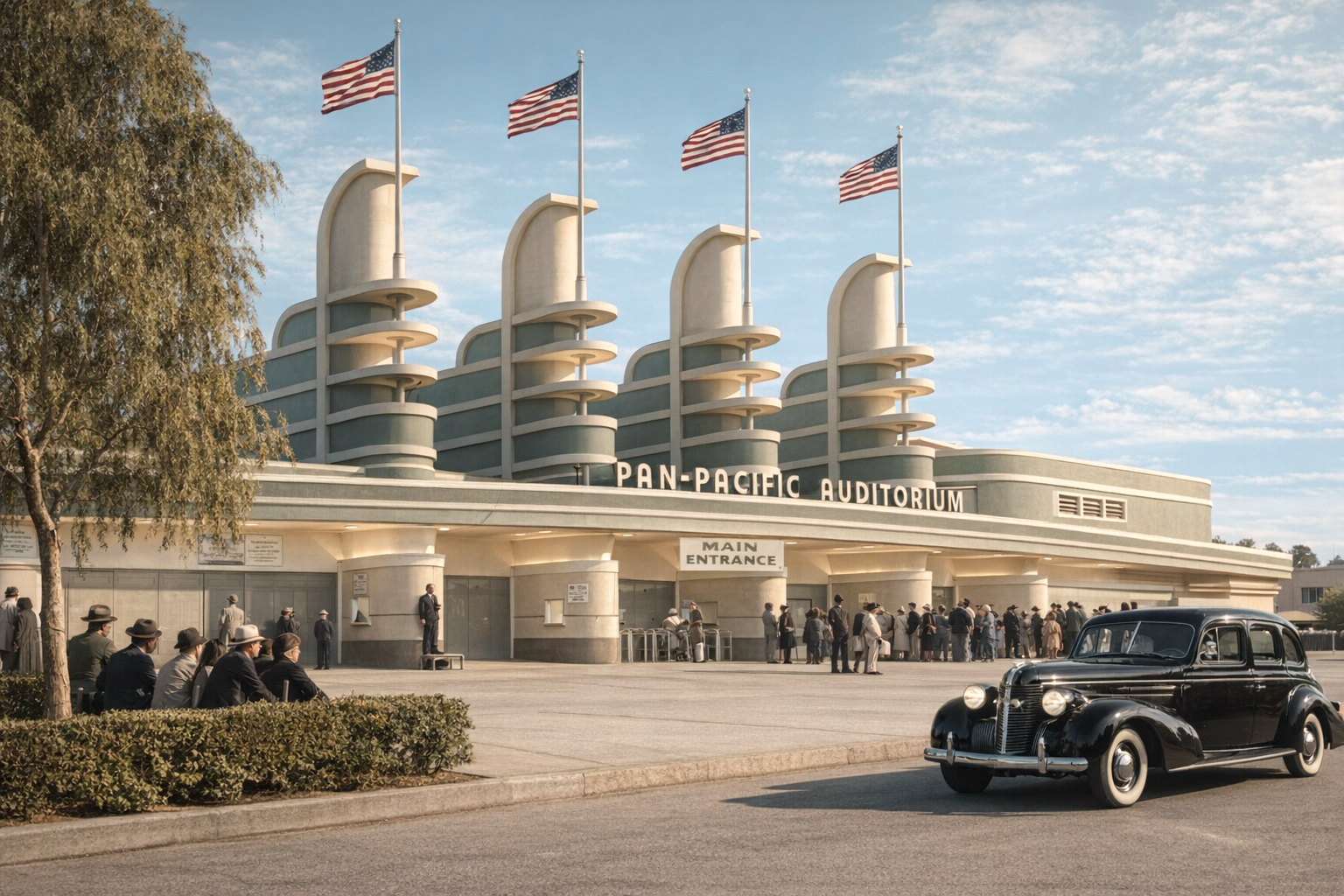
(Aero)nautical themes
Nautical homages like masts, sails, and porthole windows are common. Occasionally you can also find a nod to aeronautics (wings and rudders)
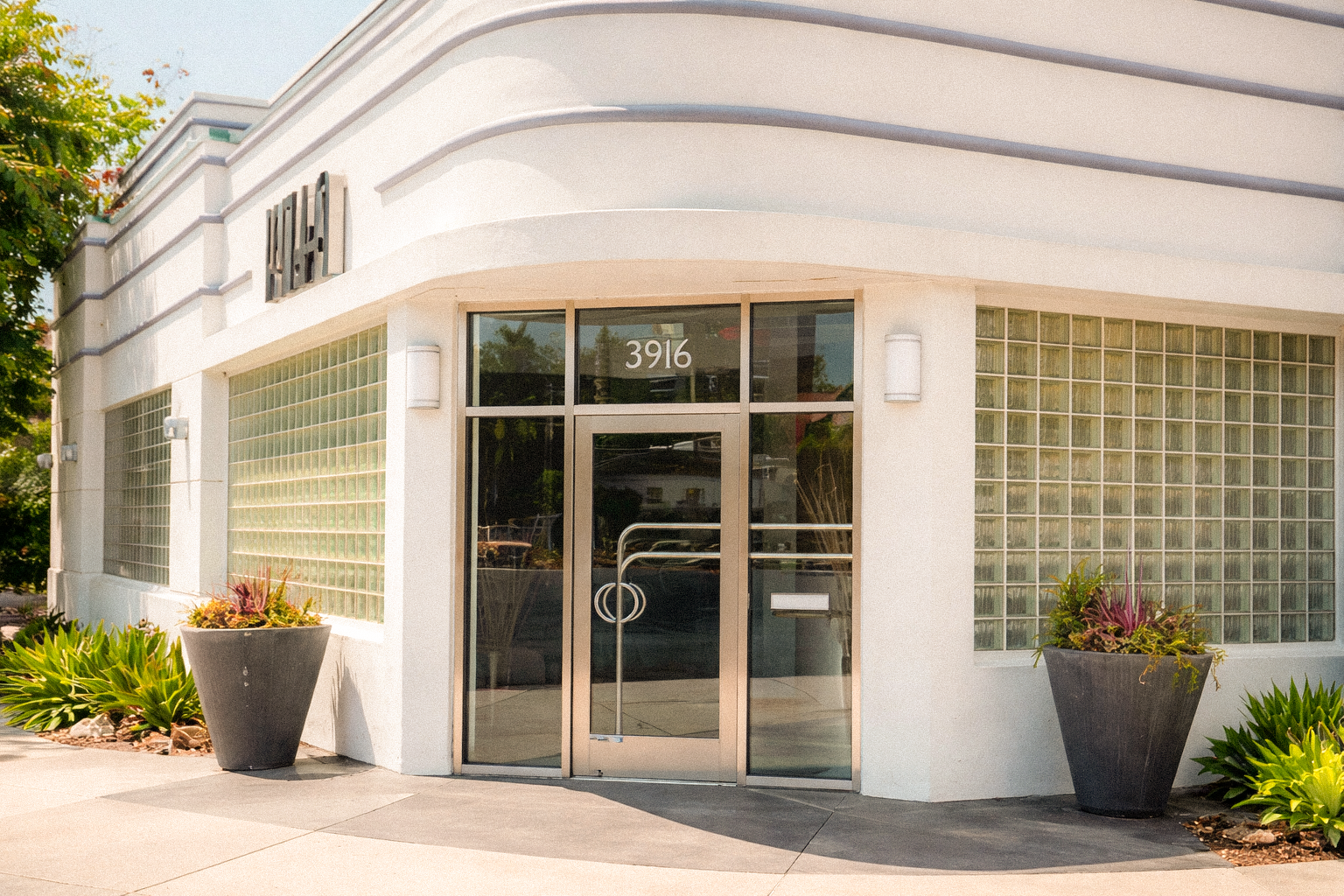
Glass brick windows
Glass bricks were used heavily, often in long horizontal panels that complement the overall length of the buildings while keeping things light and airy
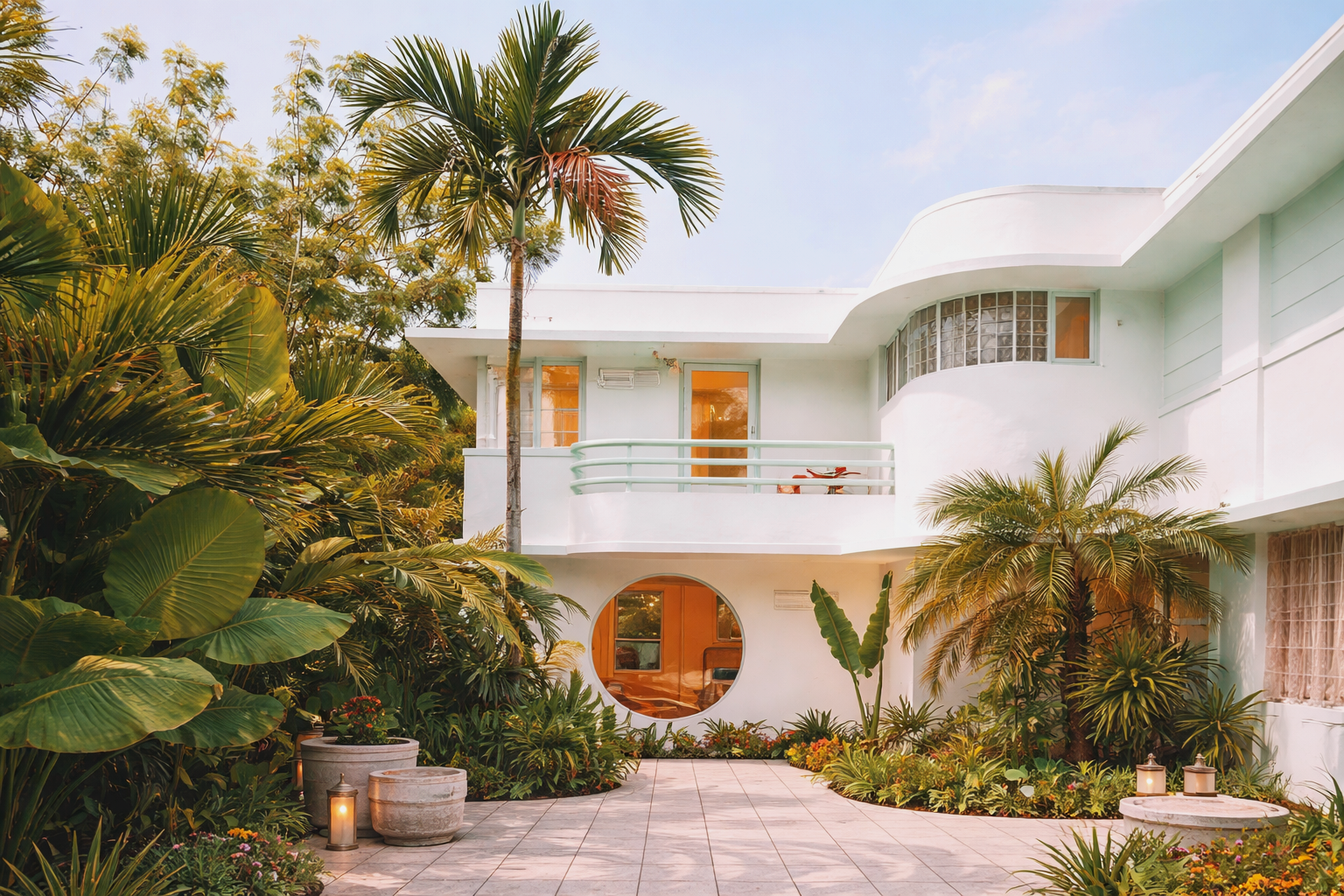
Creamy exteriors
Rarely ever dark, most buildings of the style are painted in creamy whites on smooth, stucco walls, perhaps with a hint of pastel coloring
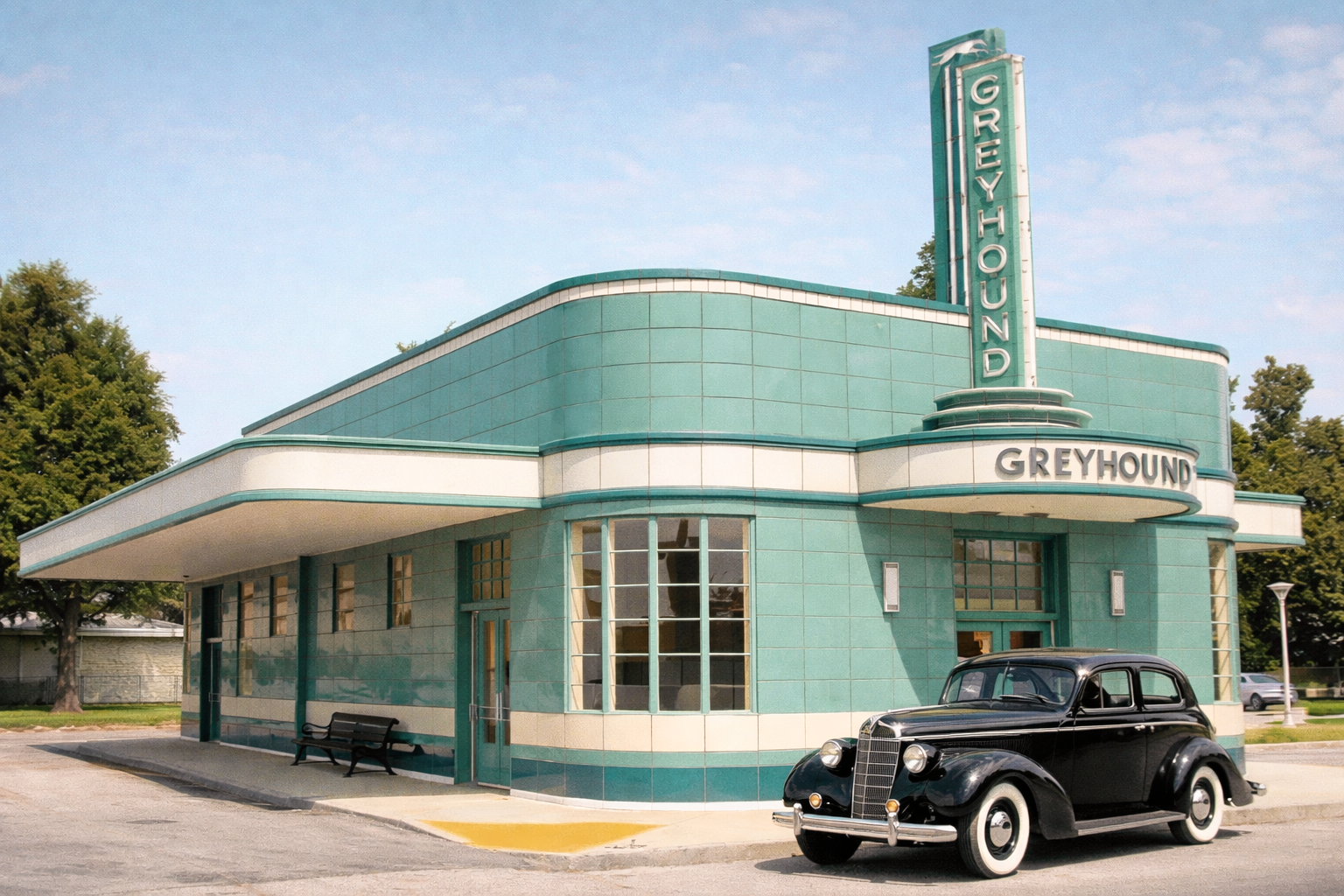
Pastels
While a smooth creamy finish is the norm, there is also a place for pastels in this style. These can be woven into details or even used as a primary color, especially blues and teals
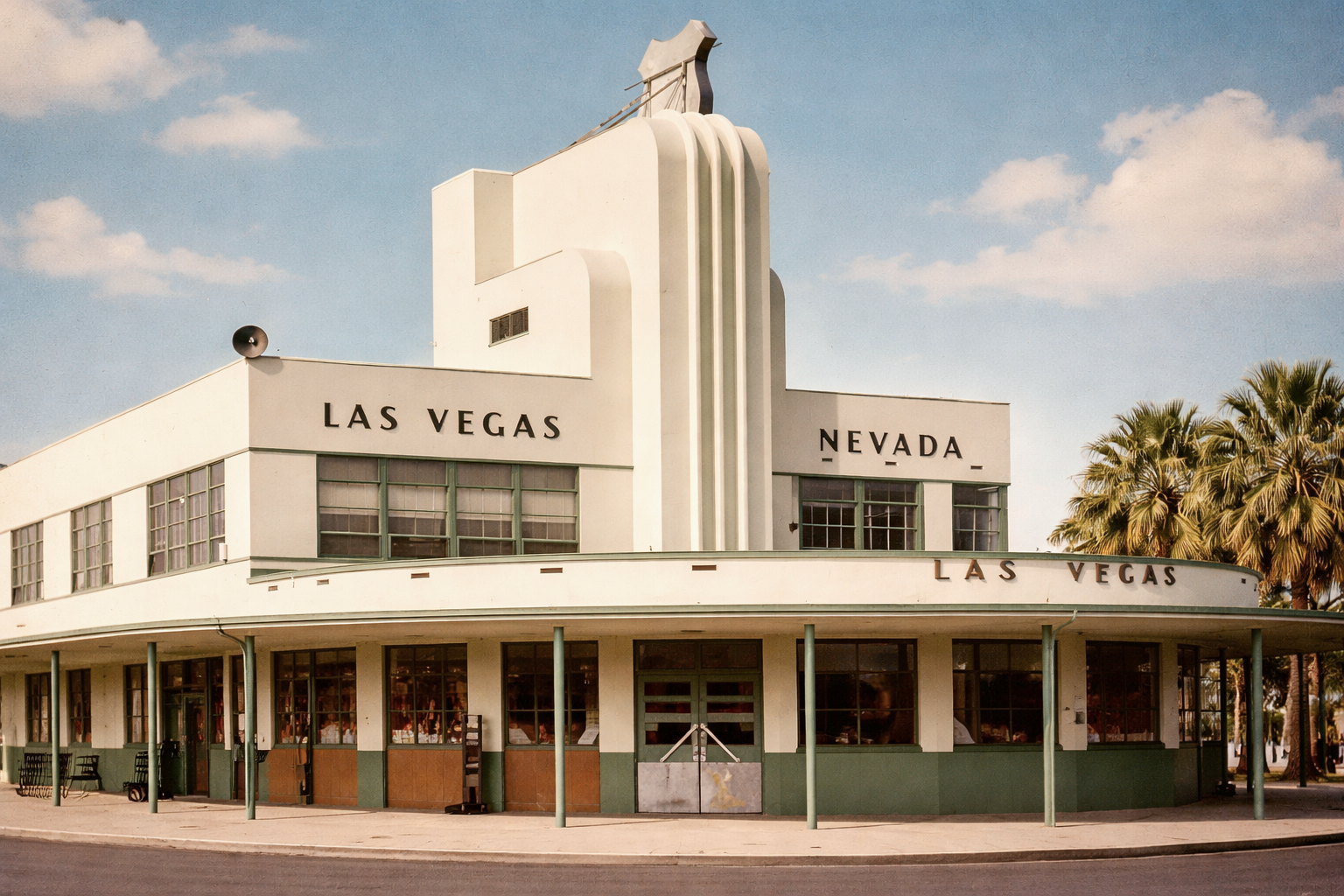
Grooved decorations
Buildings can have grooved details that evoke the streamlined grills of automobiles or bullet trains
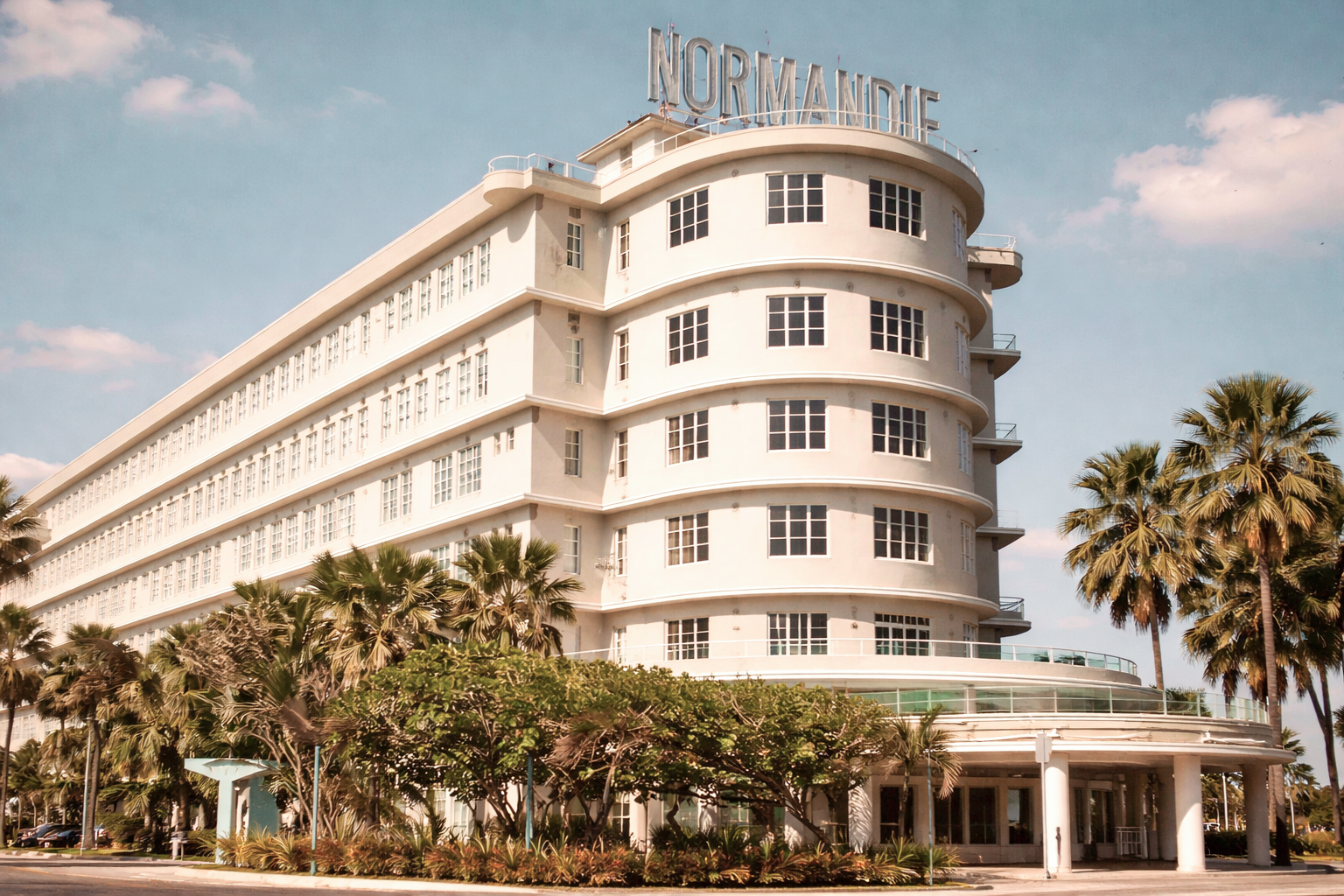
Bowed projections
Taking the nautical references even further, some buildings featured bowed projections as direct references to the front portion of a ship
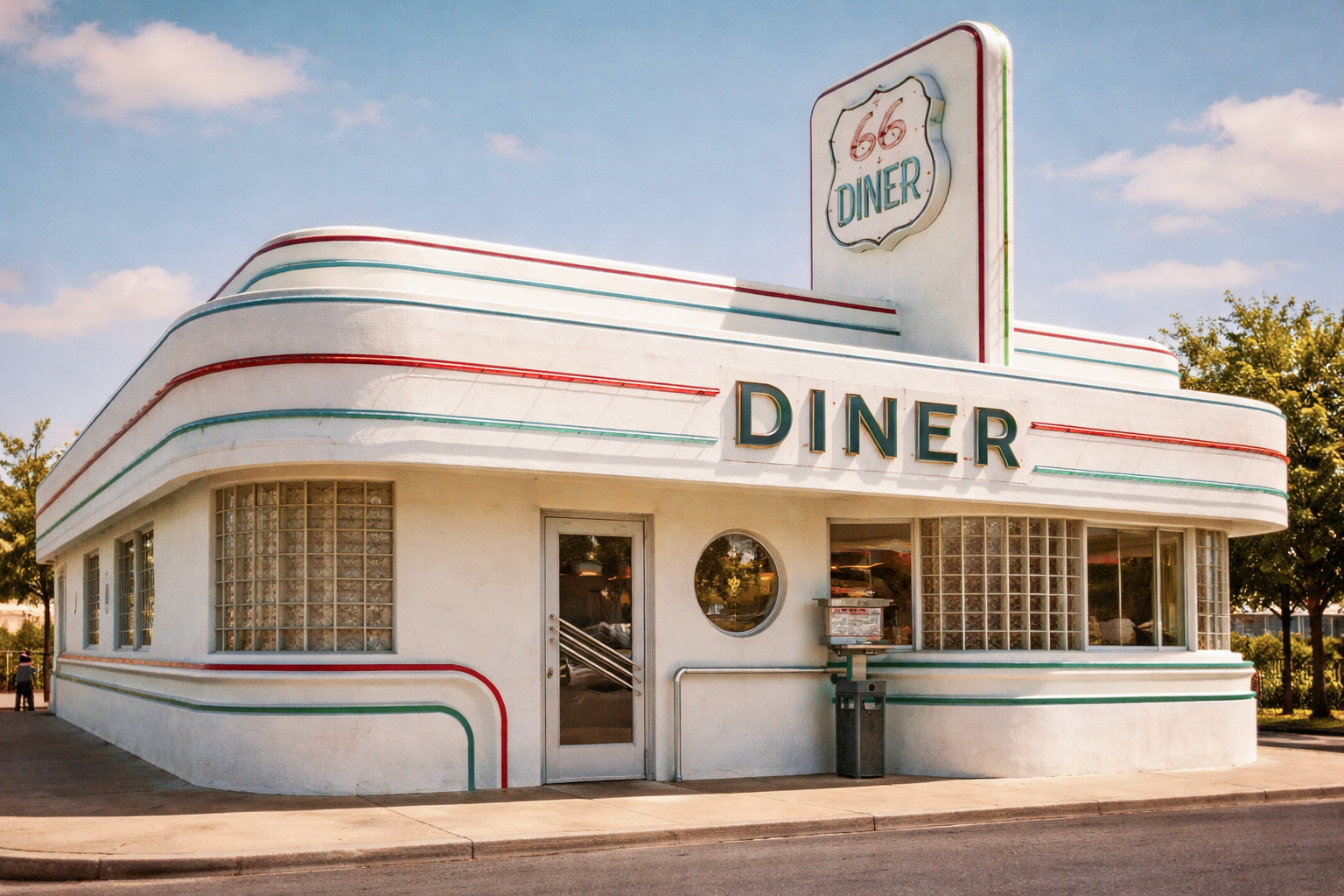
Racing stripes
Horizontal banding in colorful accents can be found wrapping around buildings, complementing the streamlined curves and drawing the eye around