
Postmodern
Architecture
Eccentric. Slightly whacky. And definitively dated. So what’s with the name? By the 1980s, the term “modern” really meant any style that had zero ornamentation or references to the past. Though Art Nouveau, Art Deco and Streamline Moderne billed themselves as such, it wasn’t until the International Style that architecture reached the end of its decades-long crawl towards minimalism. The trend was of course unsustainable; after stripping away every non-functional element, there was nowhere left to go. Slowly, classical references crept back in – albeit heavily stylized. So too did bursts of color, building crowns, and other decorative flourishes. The “modern” glass box was finally out; the “post”-modern movement was in.
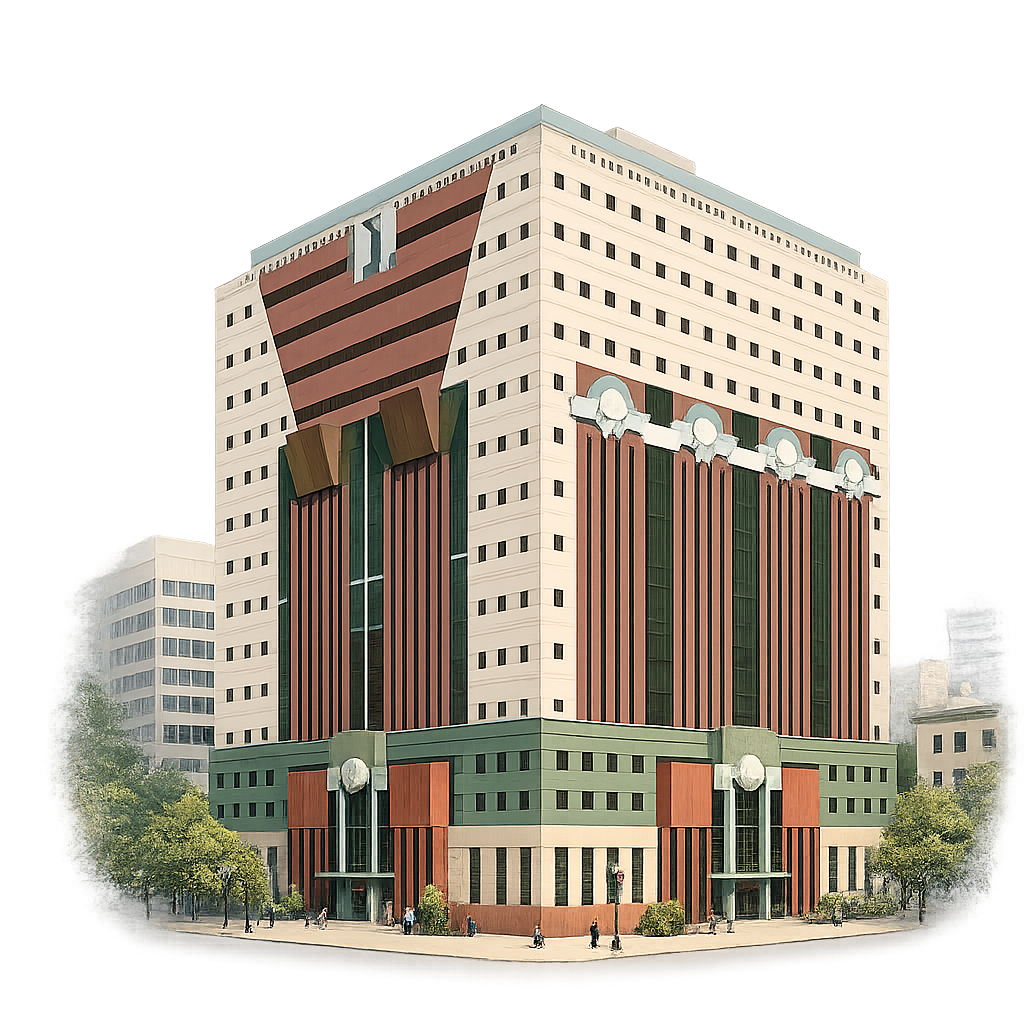
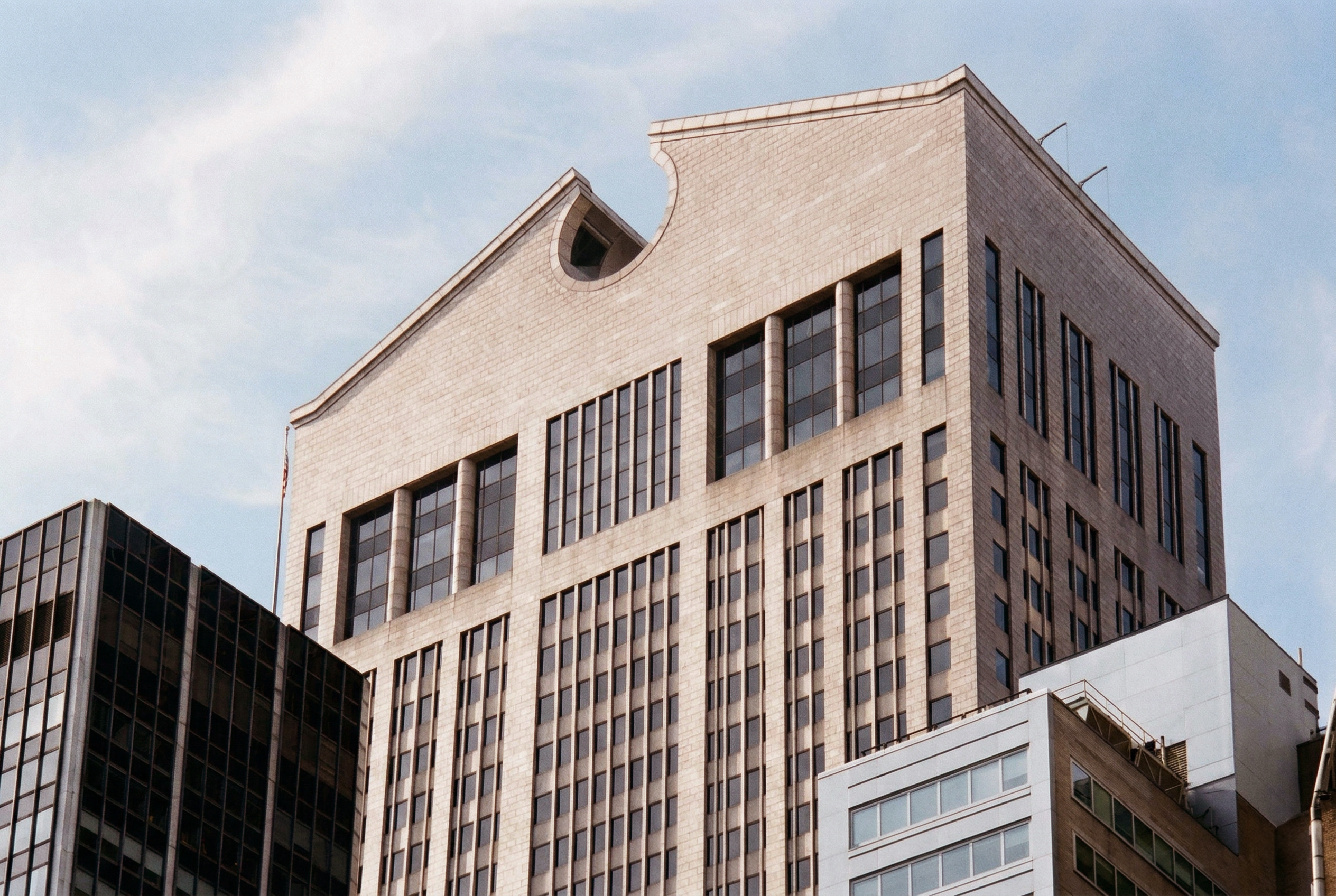
Non-functional decoration
The defining feature of these buildings is the addition of ornament that serves no function. Early on it was sparse, but by the end it was plentiful
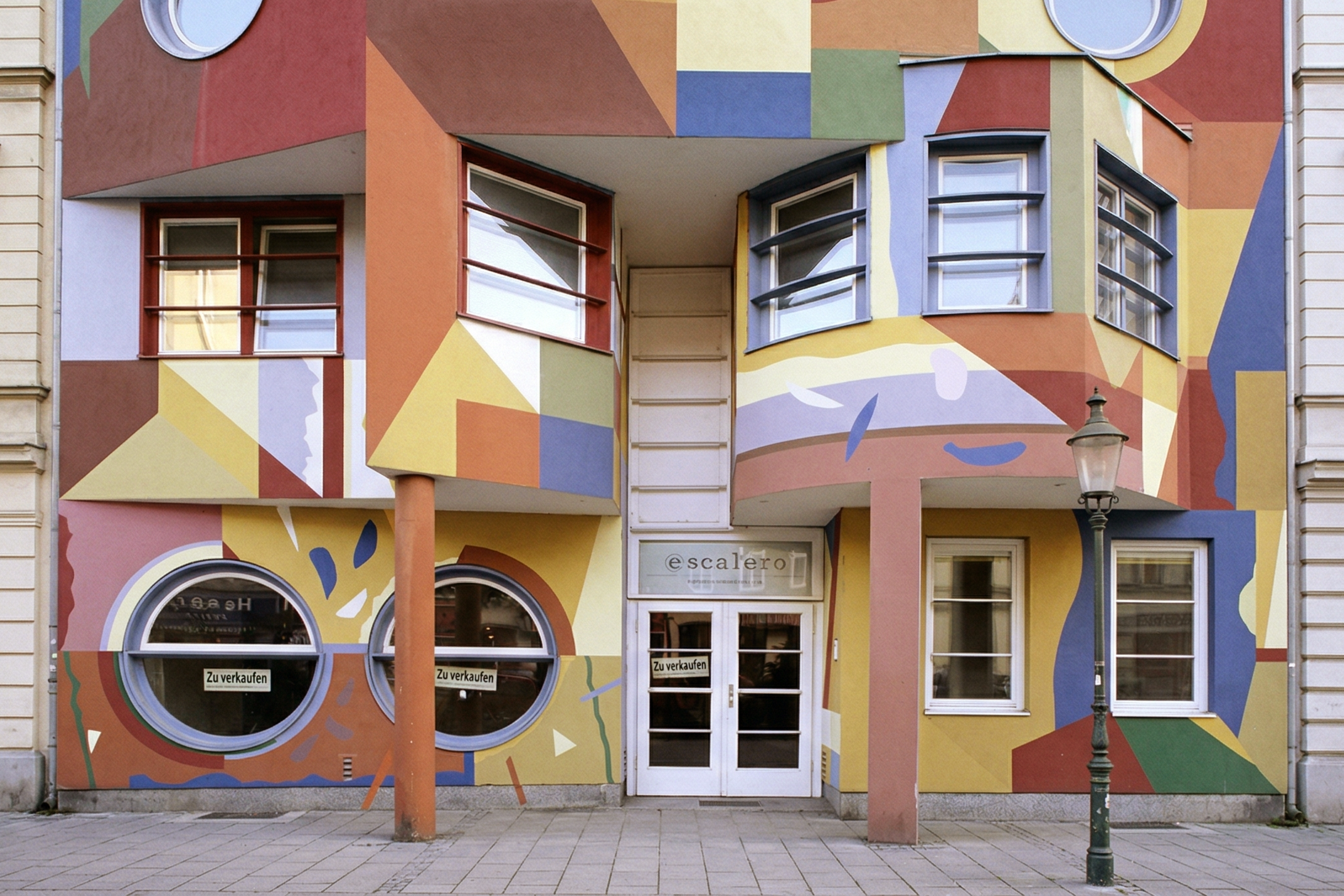
Bright, bold colors
International Style and Brutalist buildings were notoriously staid. Post- modern buildings didn't shy away from color, even brights and pastels
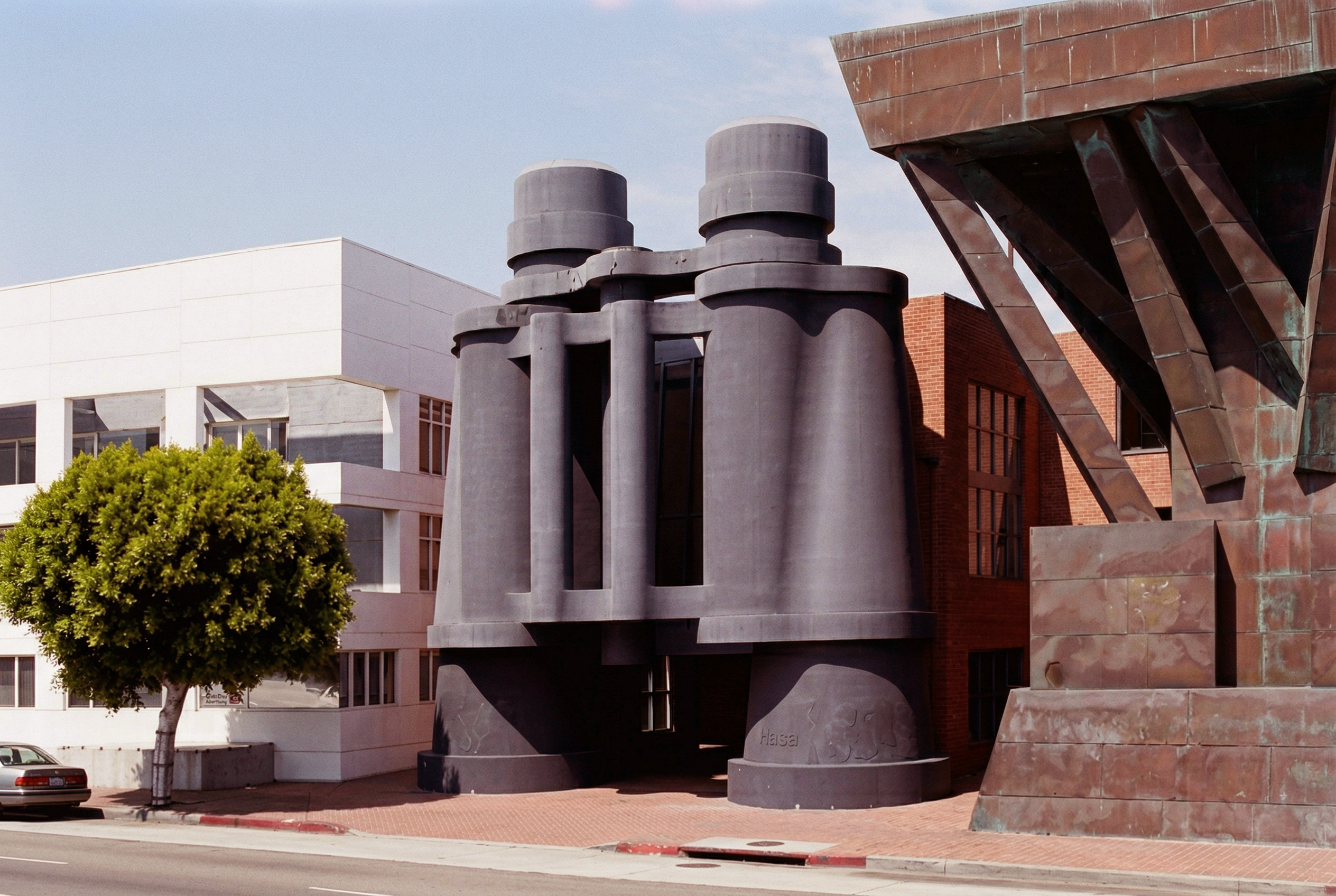
Eccentricity
The humor and expressiveness of each architect was allowed to shine again, reflected in playful and downright eccentric or campy designs
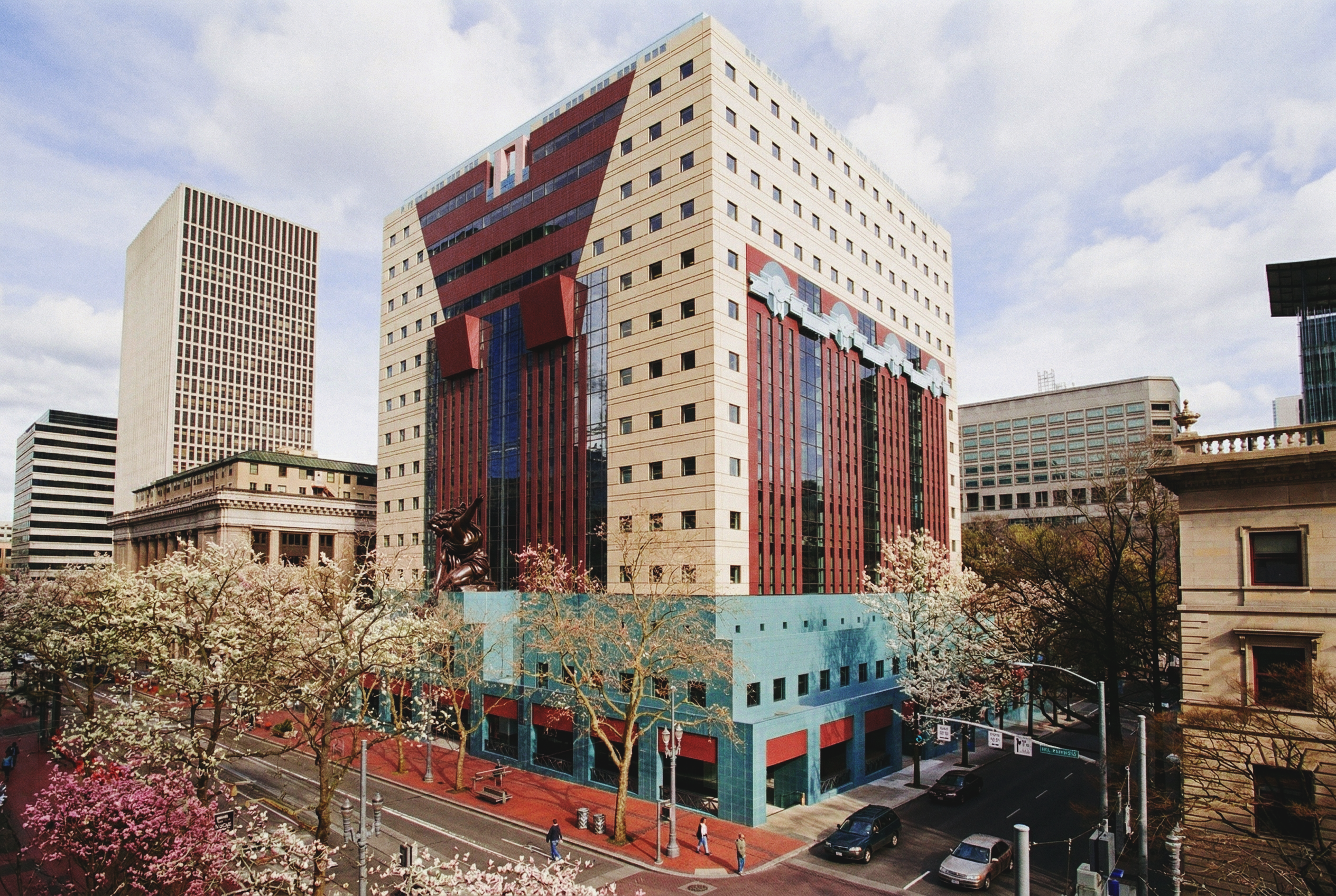
Reinvented Classical references
The "modern" style eschewed all classical references. "Post" modernism started to re-introduce them - columns, pediments, etc. - but with a heavily stylized twist
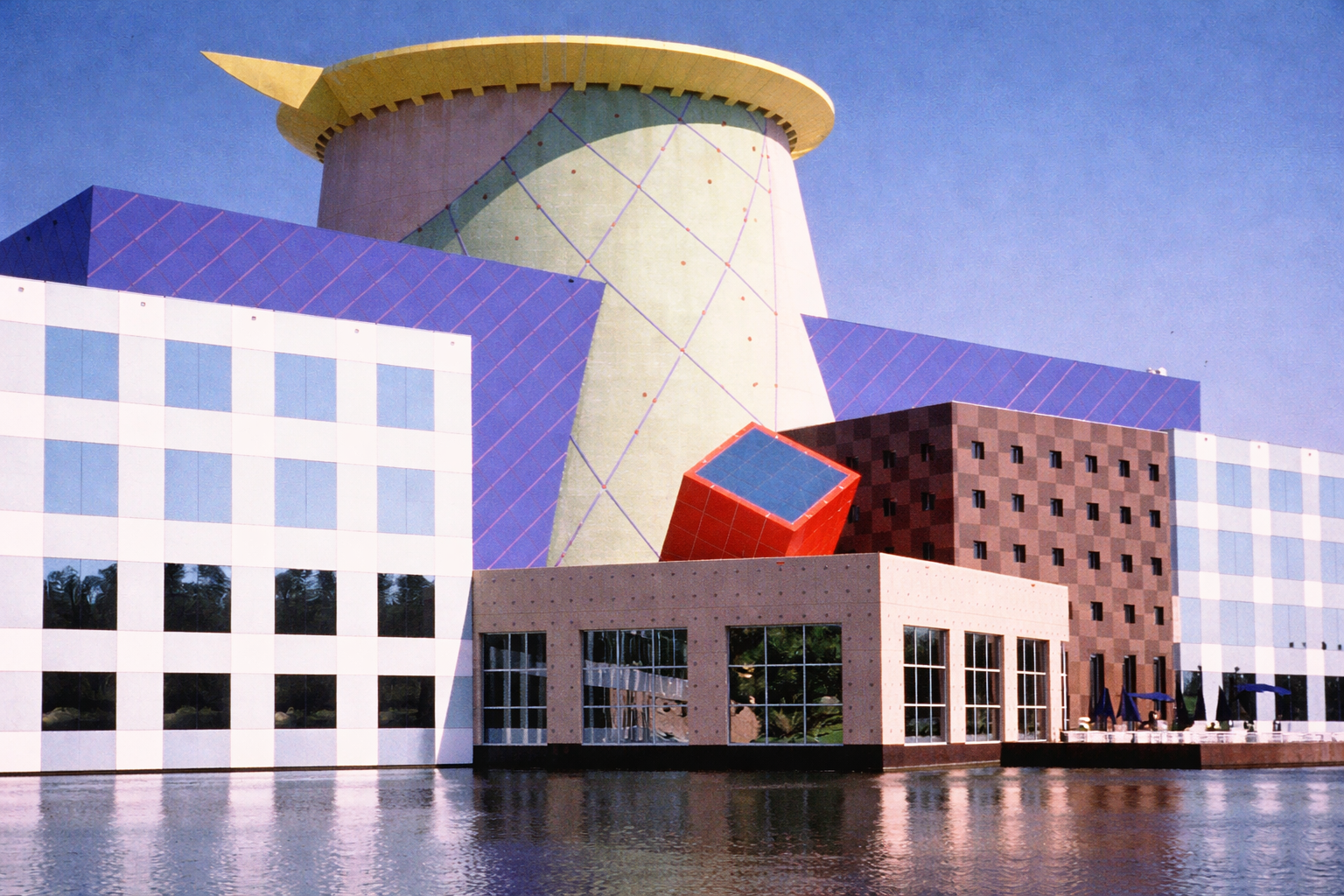
Retro feel
Because these buildings came into their own during the 1980s and '90s, there is a distinct retro feel that unites them
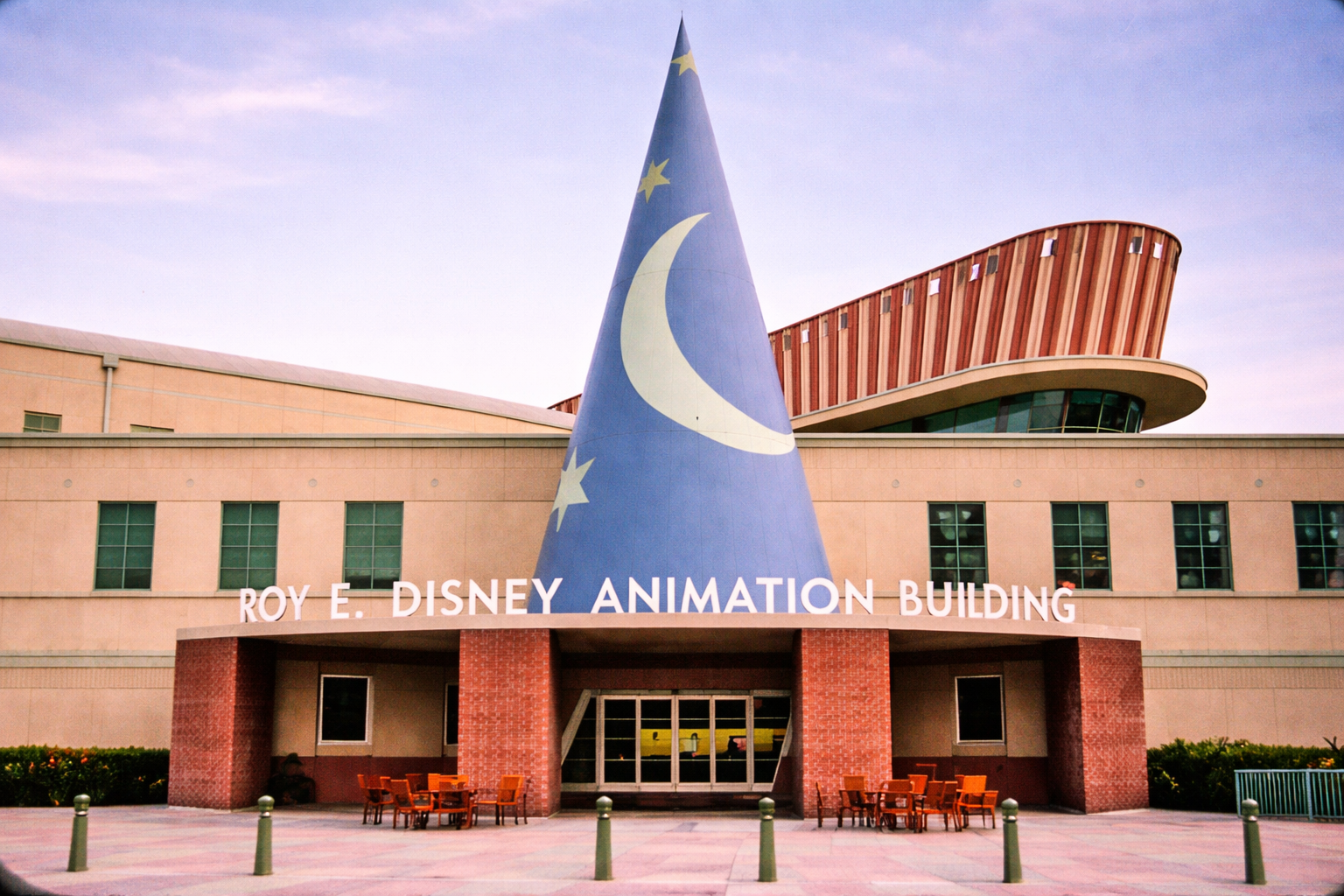
Sculptural elements
In keeping with the theme of eccentricity, many architects added sculptural details to their buildings that would have been viewed as garish in previous decades
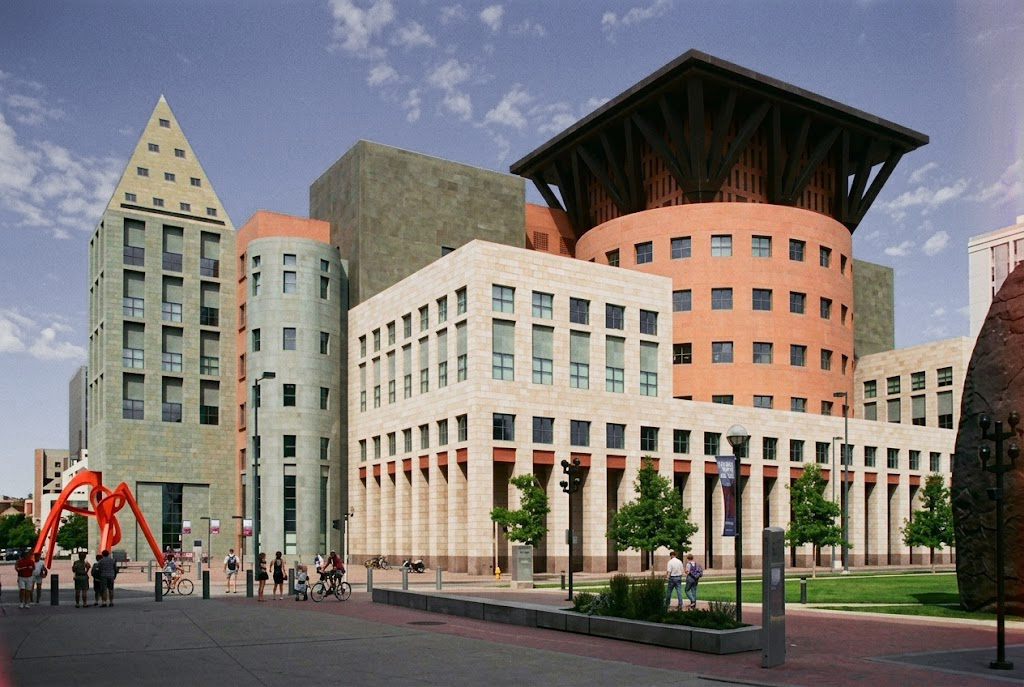
Circular + polygonal shapes
The juxtoposition of circular forms with polygonal shapes is common, which creates interesting geometric designs
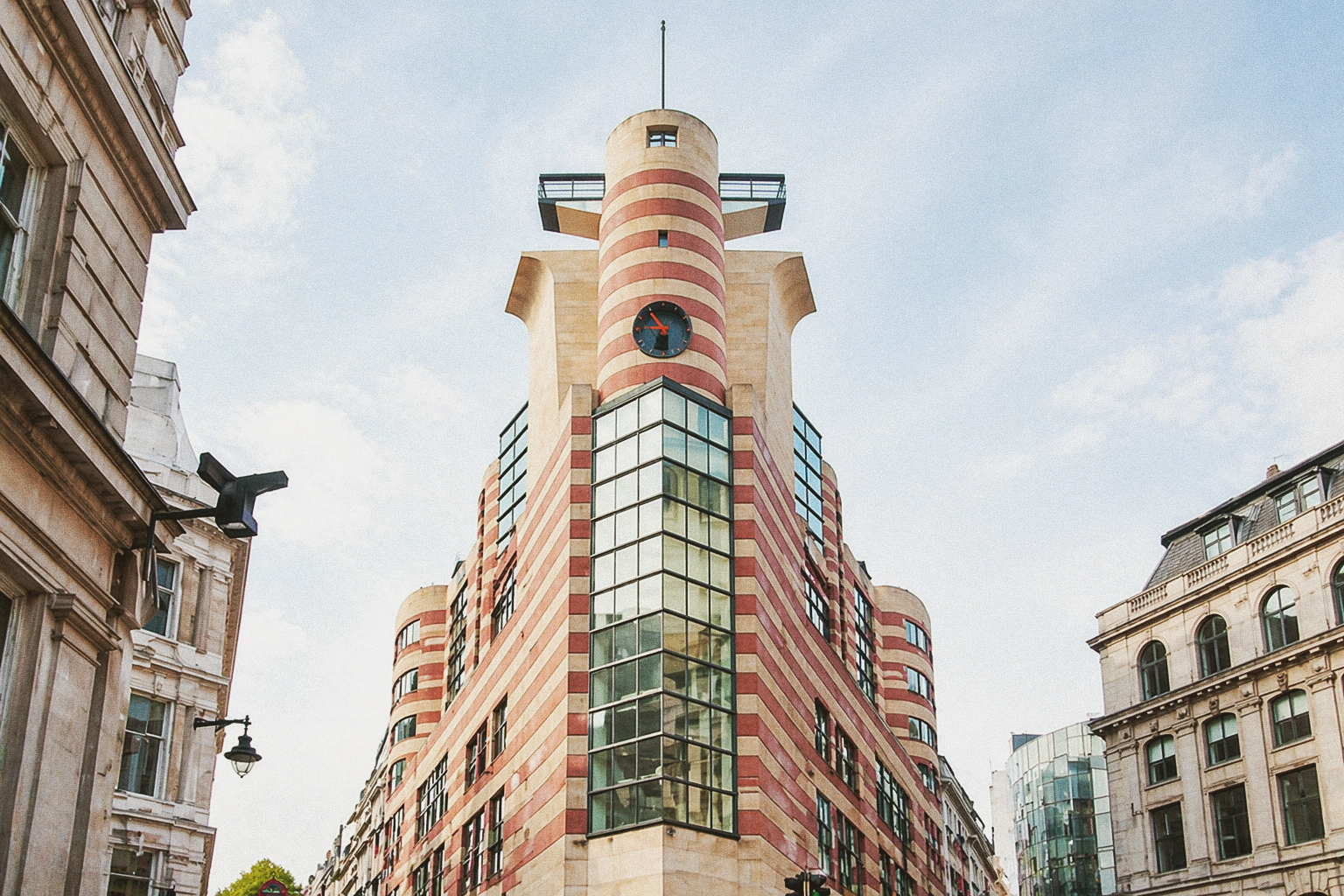
Color blocking
Supplementing the fun colors of many buildings is a distinct color blocking that further reinforces the bold new elements of the style
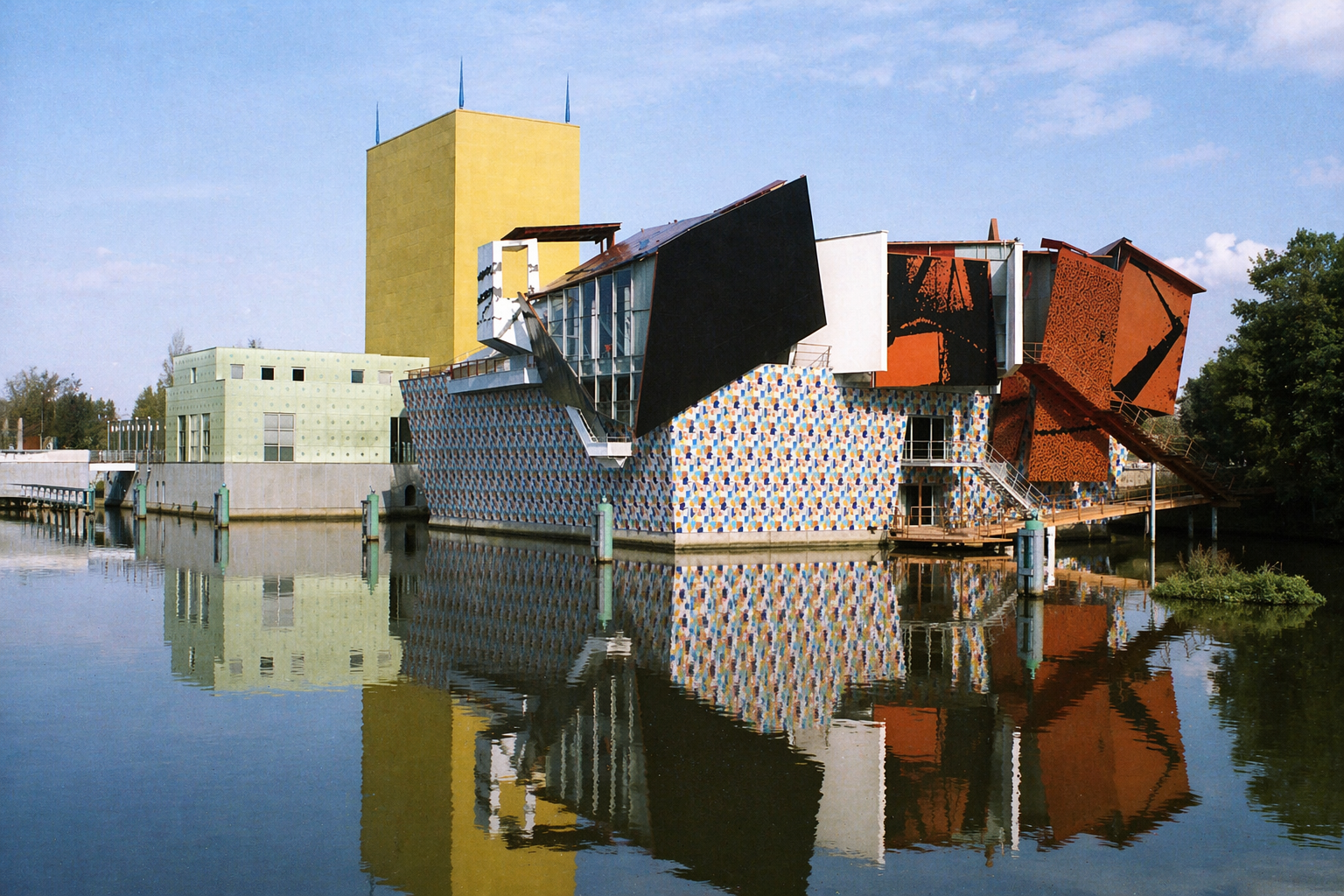
Jumbled materials
Materials of all shapes and sizes - metal, glass, stone, concrete - are jumbled together to create unusual designs
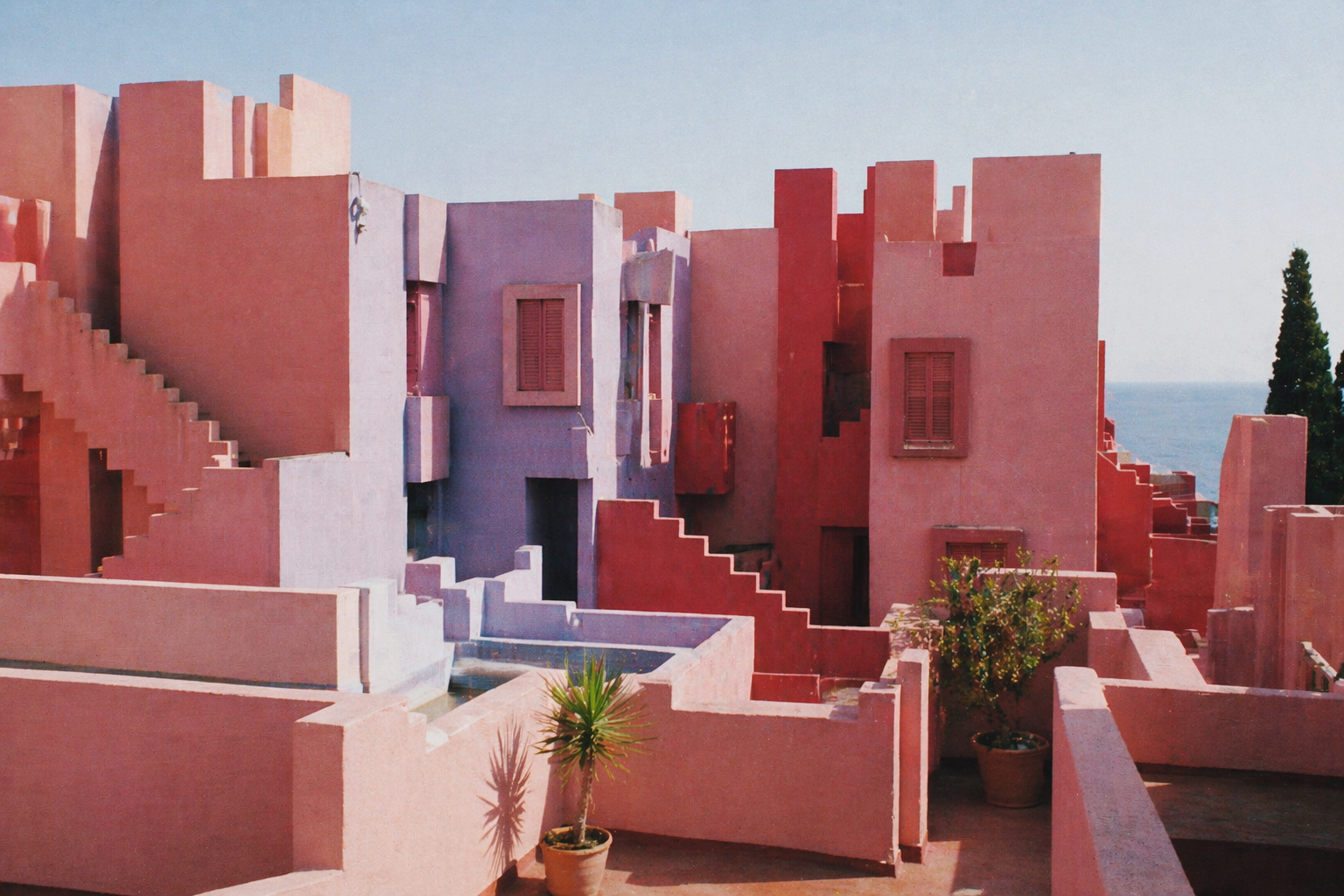
Asymmetry
As you would imagine with a style that puts whimsy over discipline, many buildings refuse to conform to symmetric designs
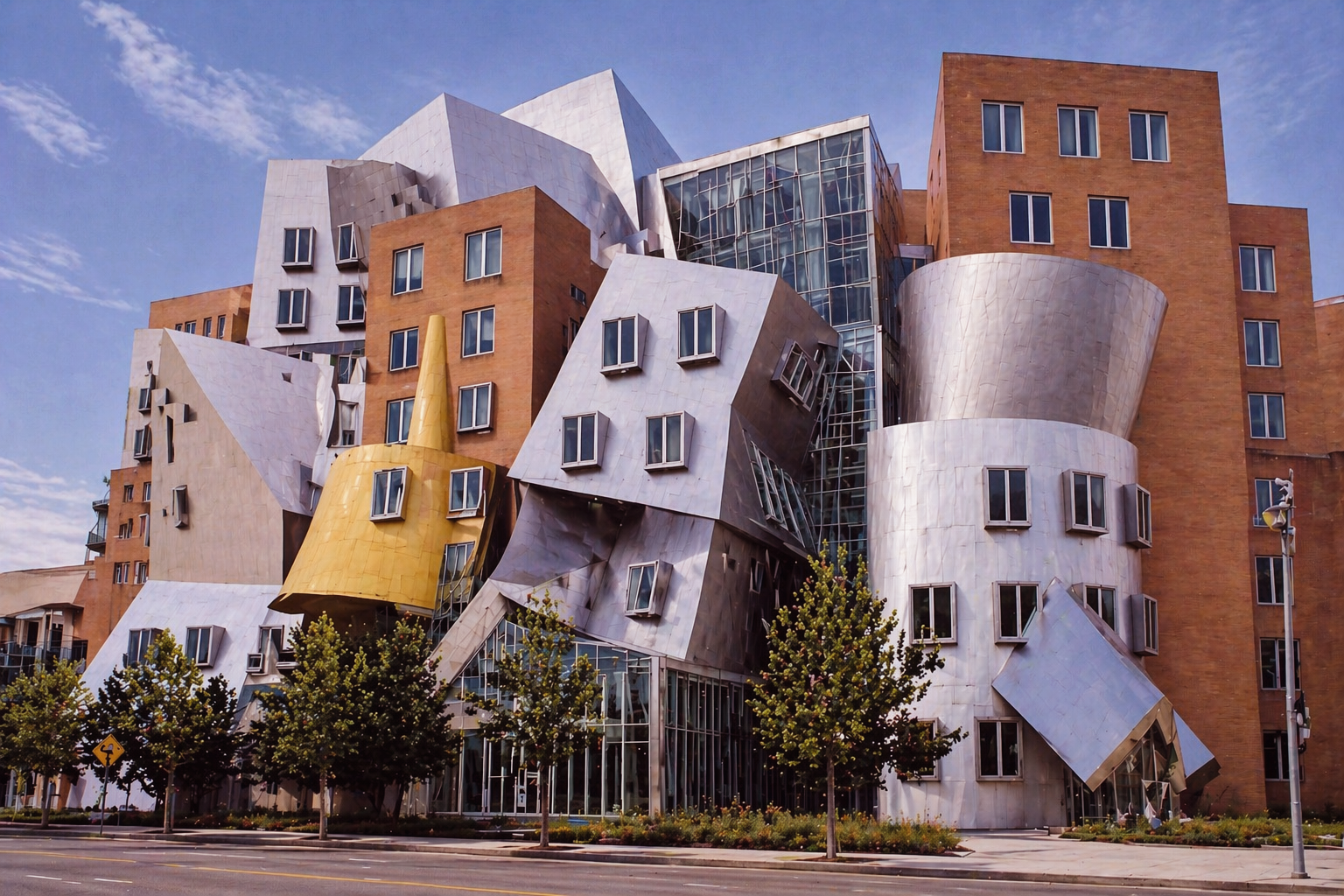
Dysfunction
International Style buildings prided themselves on rational materials, practical shapes, and straight lines. These buildings throw that all out and embrace the chaos