
Googie
Architecture
In the 1930s, the singular “modern” concept of aerodynamism fascinated architects across the globe. In the ‘40s and ‘50s, the Space Age and nuclear power had the same profound impact on architectural trends in the American West. For a brief period, Googie’s flying saucer shapes, starburst details and atomic flourishes were added enthusiastically to gas stations, car washes and diners. This connection to car culture was no accident; the newly mobile public needed to be won over quickly and from a distance, and Googie's bright pastels and bold typography were ideal for the job. The style faded as quickly as it flared, but not before it gave us some iconic buildings lifted straight from the world of The Jetsons.
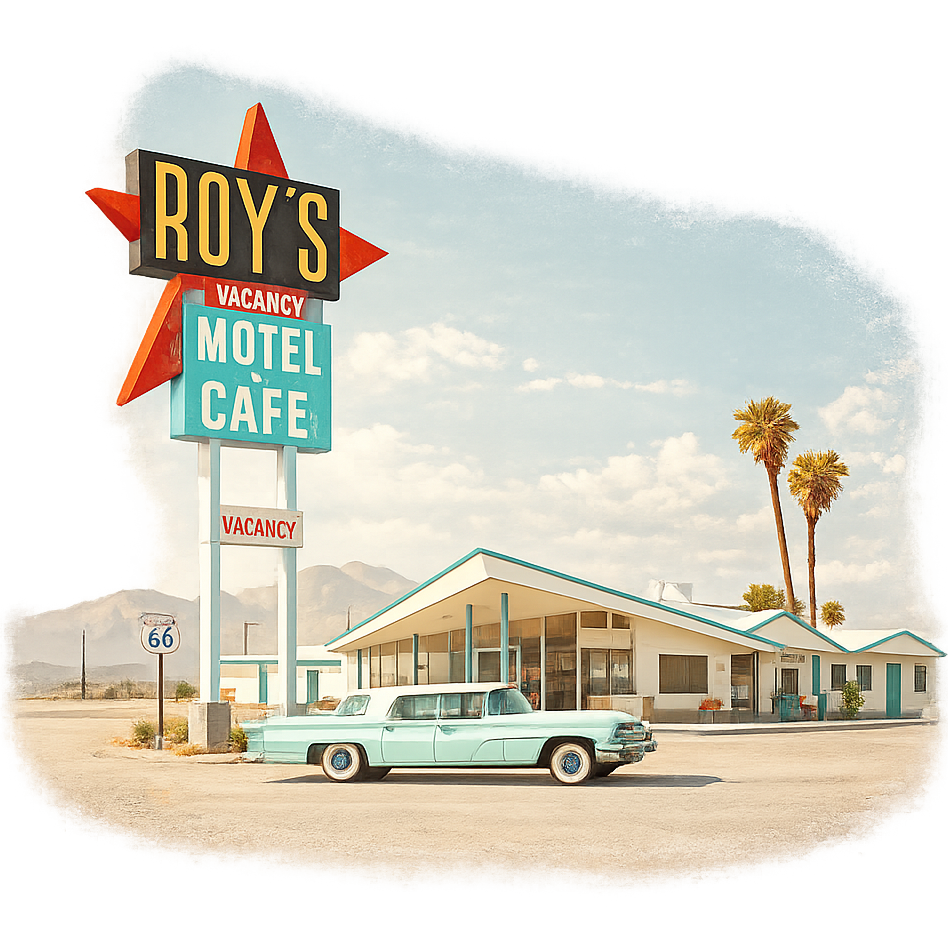
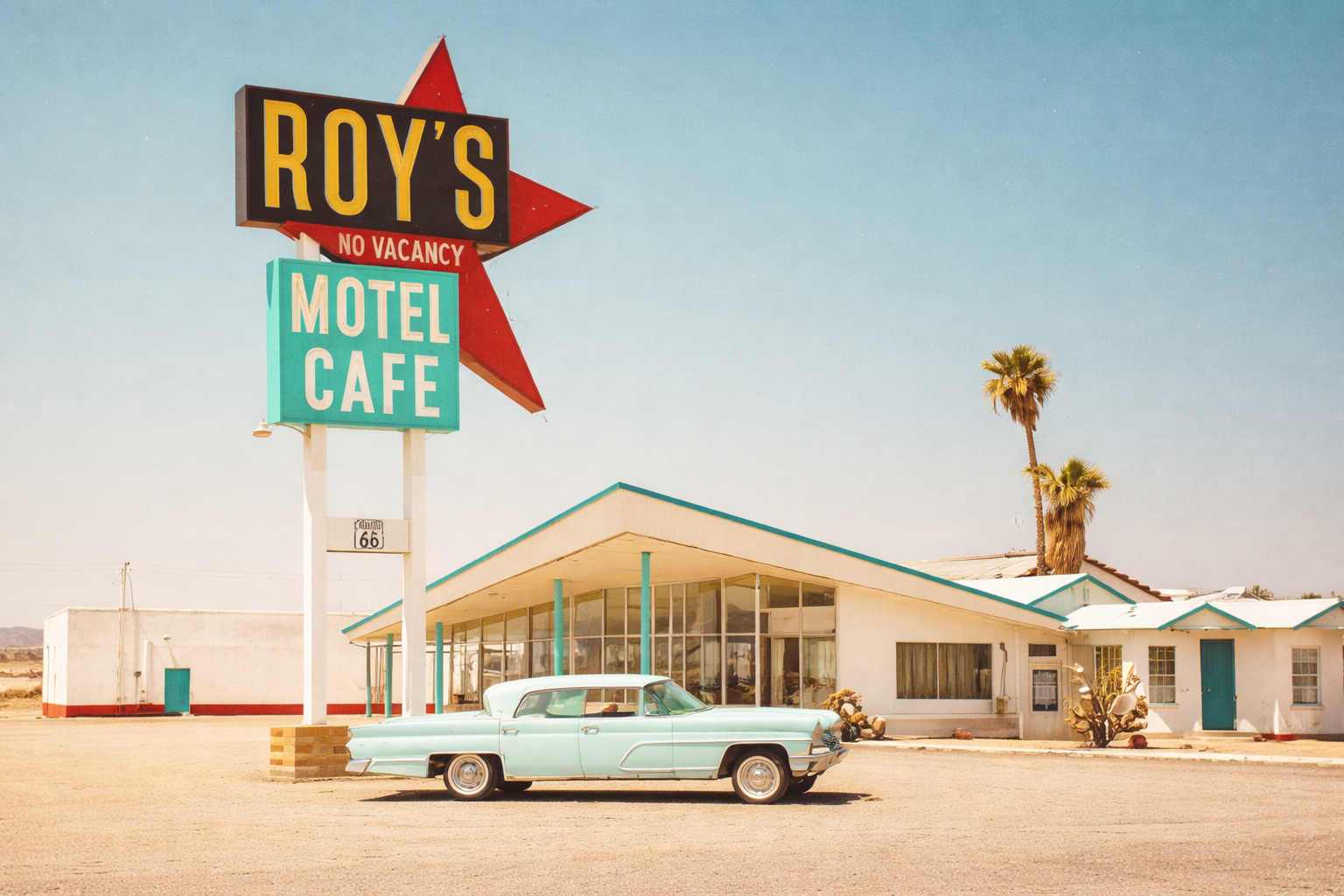
Angled, cantilevered roofs
Often, roofs were finished in sharp and asymmetric angles, usually cantilevered in gravity-defying positions and upturned like our eyes to the stars
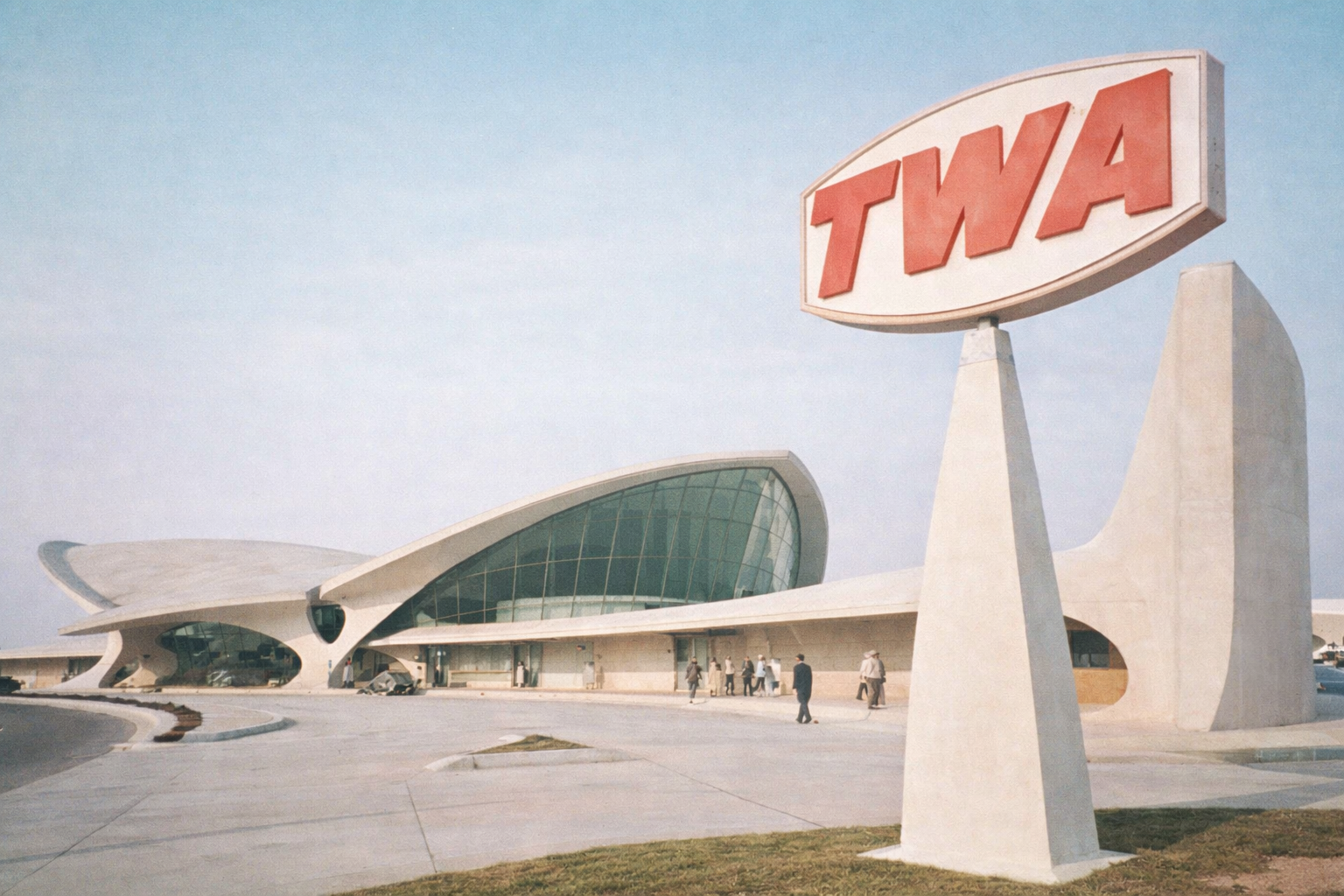
Swooping roofs
If they weren't angled sharply, roofs could also be smoothly curved, but maintaining an upwards motion to showcase futuristic methods and motifs
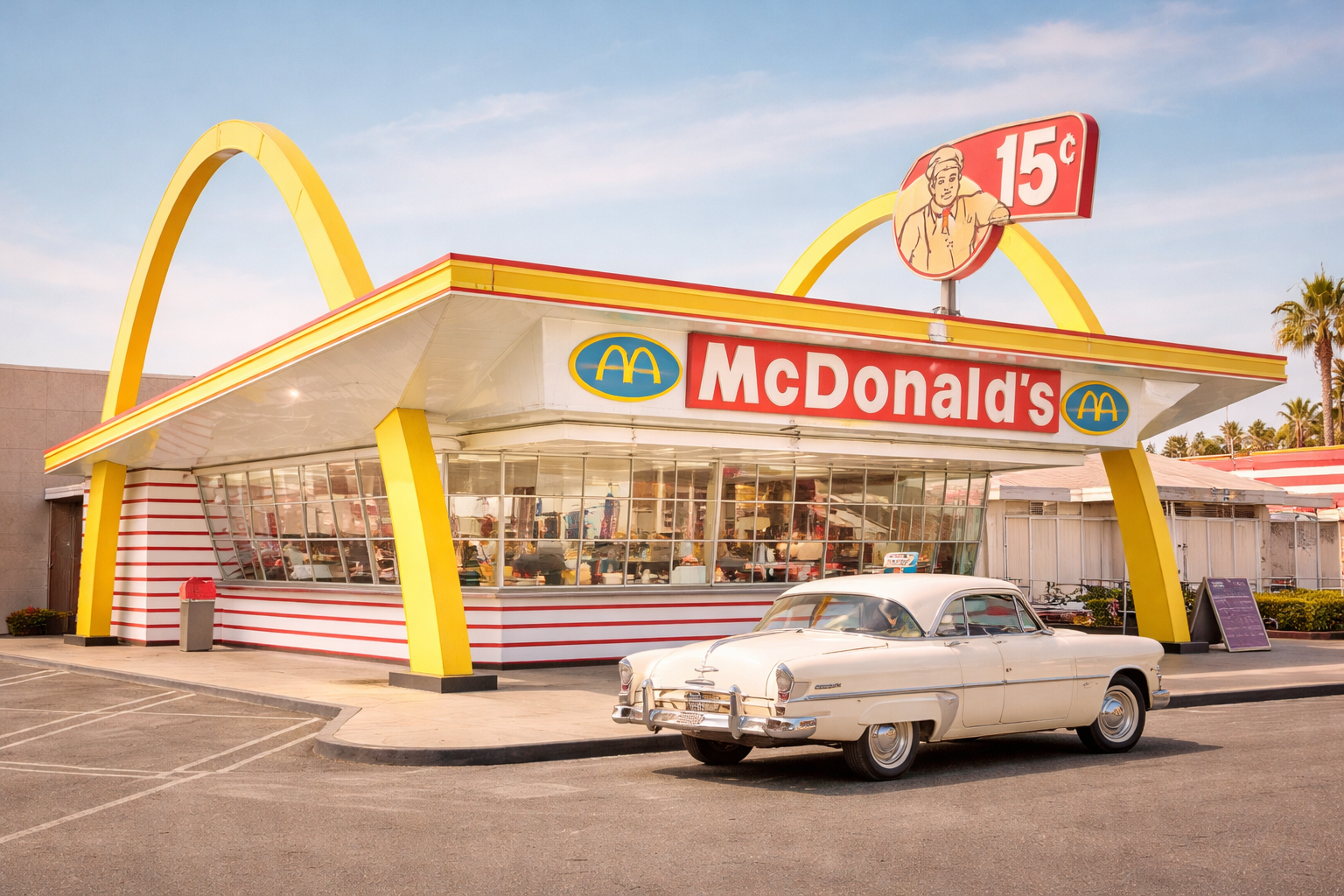
Parabolic shapes
Another signal of advancing technology, building forms could be molded into unique arches and parabolic shapes, introducing motion and dynamism
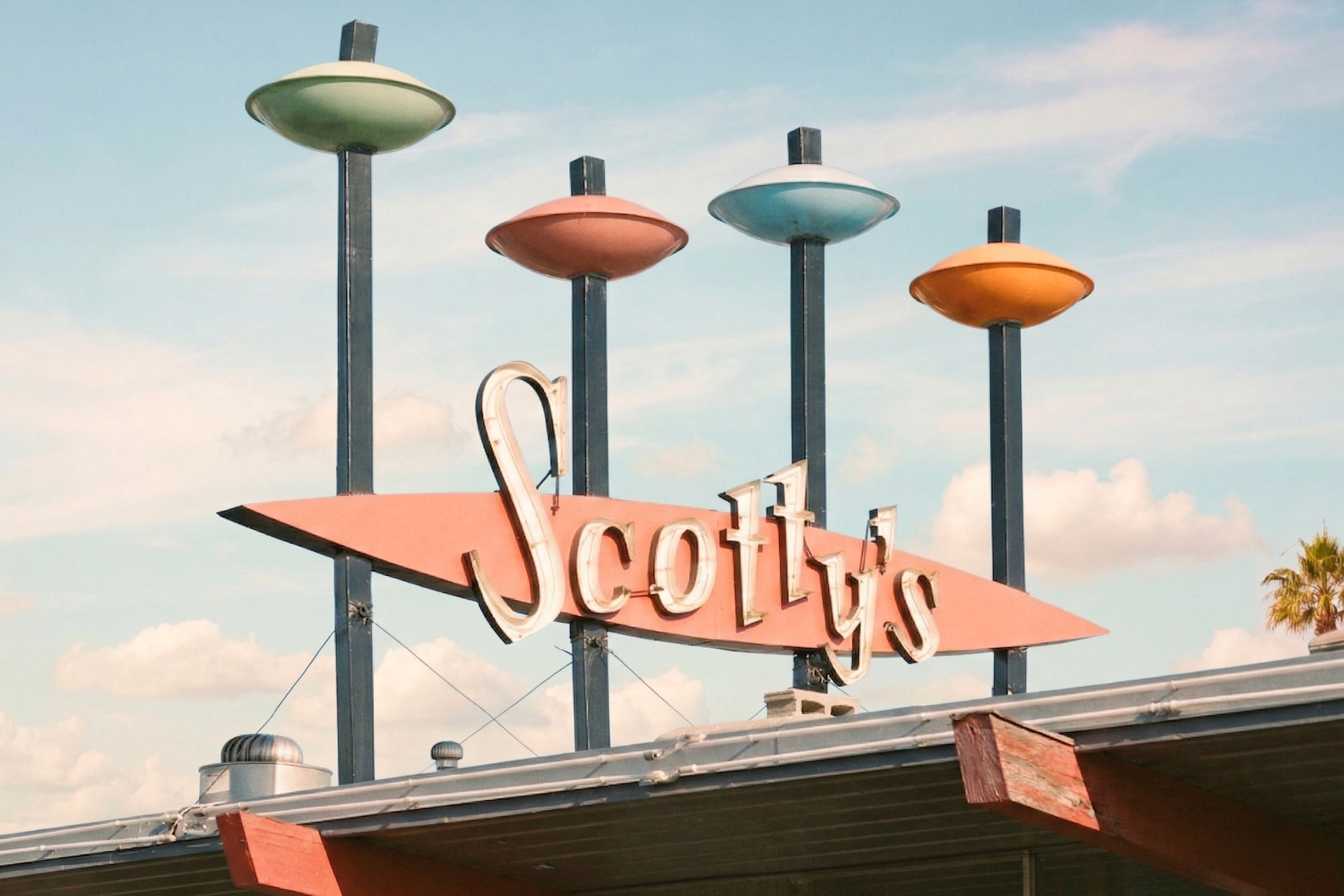
Space Age imagery
Flying saucer shapes, Star Trek style deltas, and other elements of the Space Age can be found in decorative details
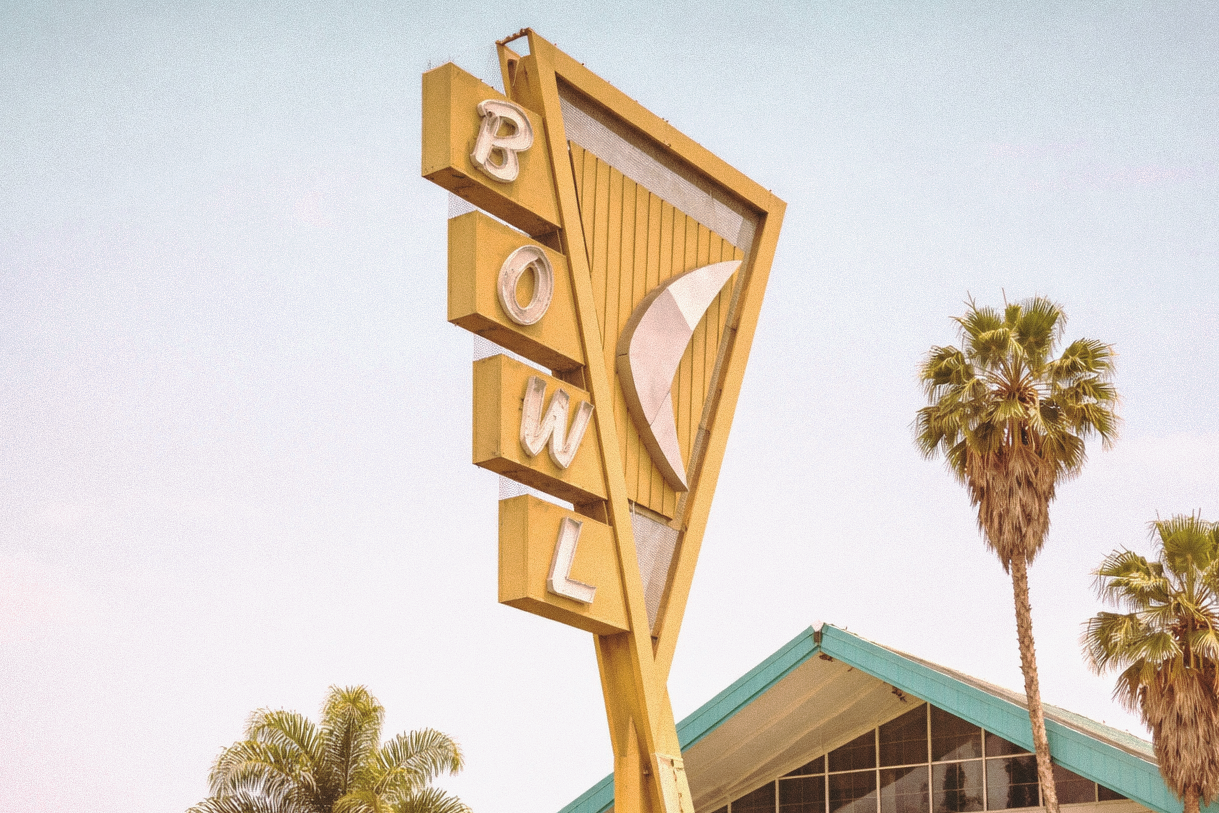
Eccentric shapes
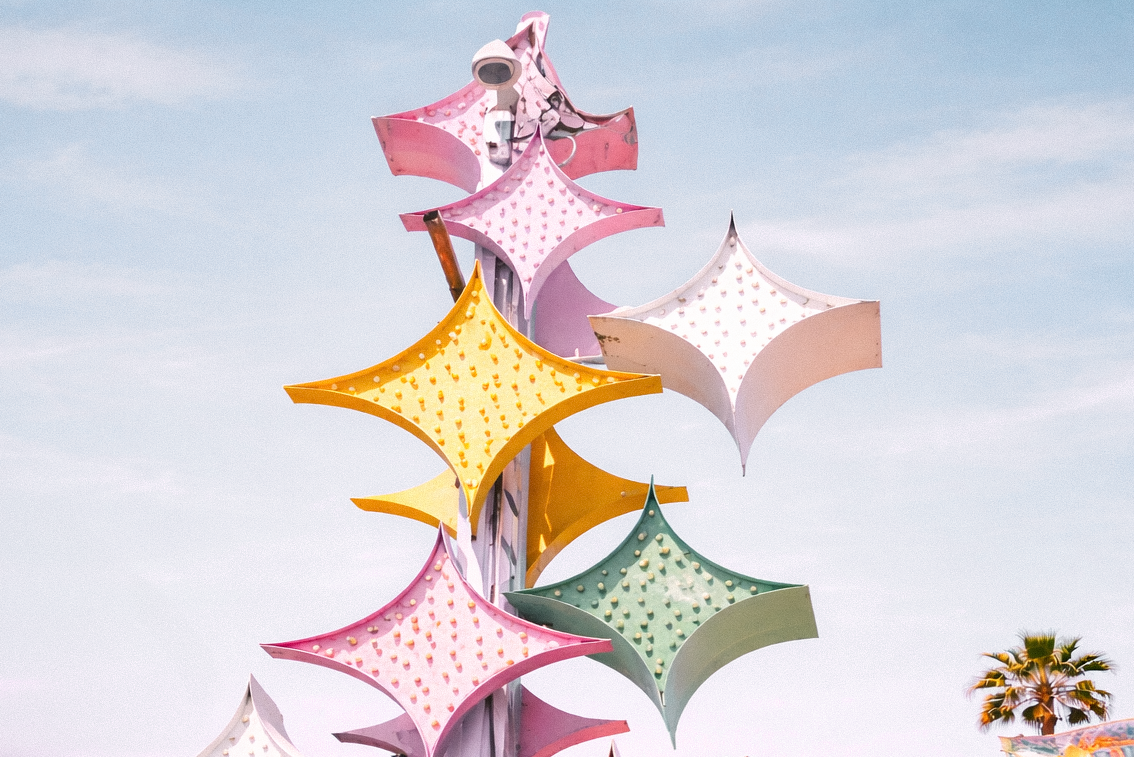
If flourishes were not specifically Space Age or atomic-related, they came in other weirdly shaped dingbats like boomerangs, hexagons, and starbursts
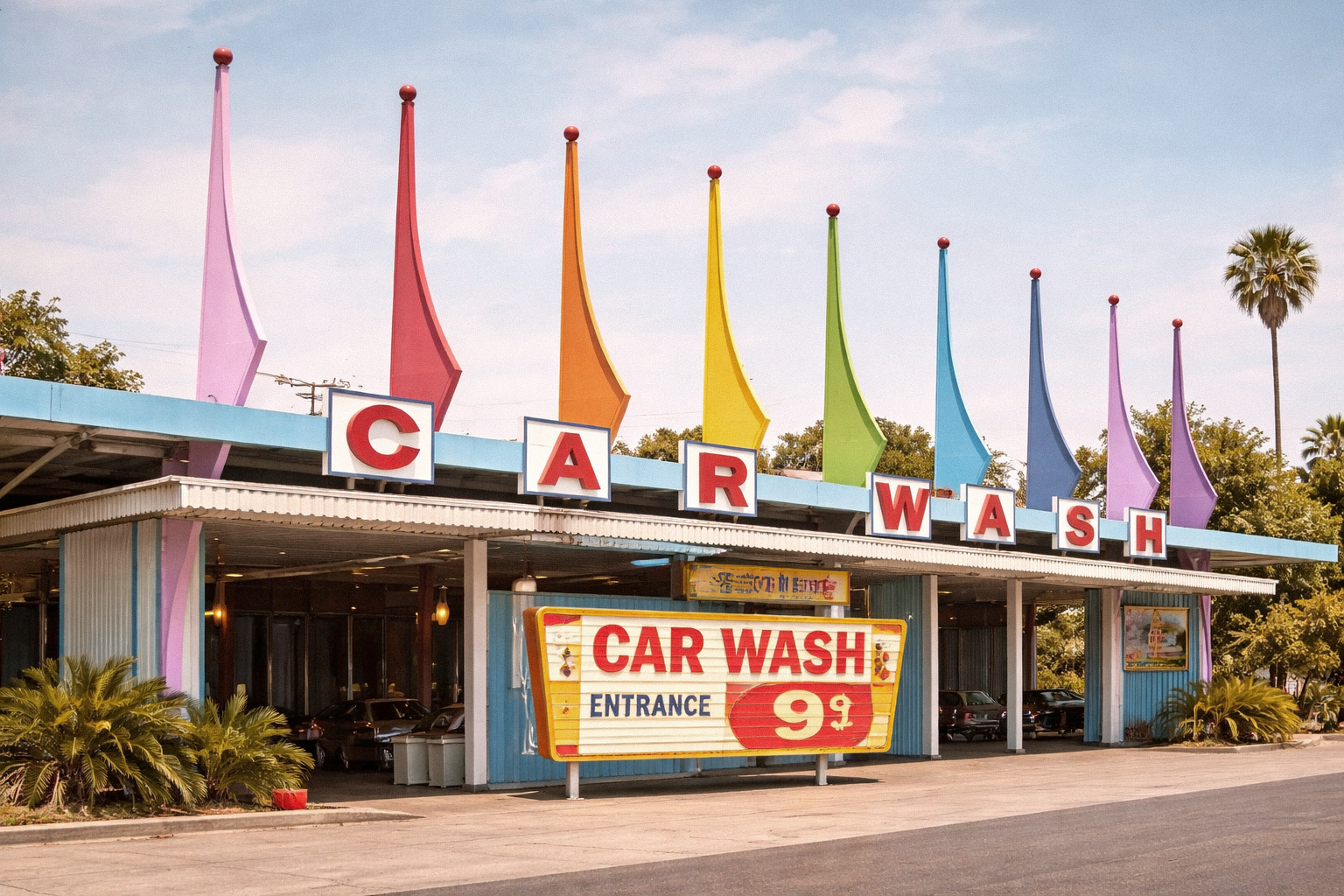
Vibrant pastels
Googie architecture took Streamline Moderne's soft pastels and made them more vibrant and less subtle, hoping to catch the eye of the next driver
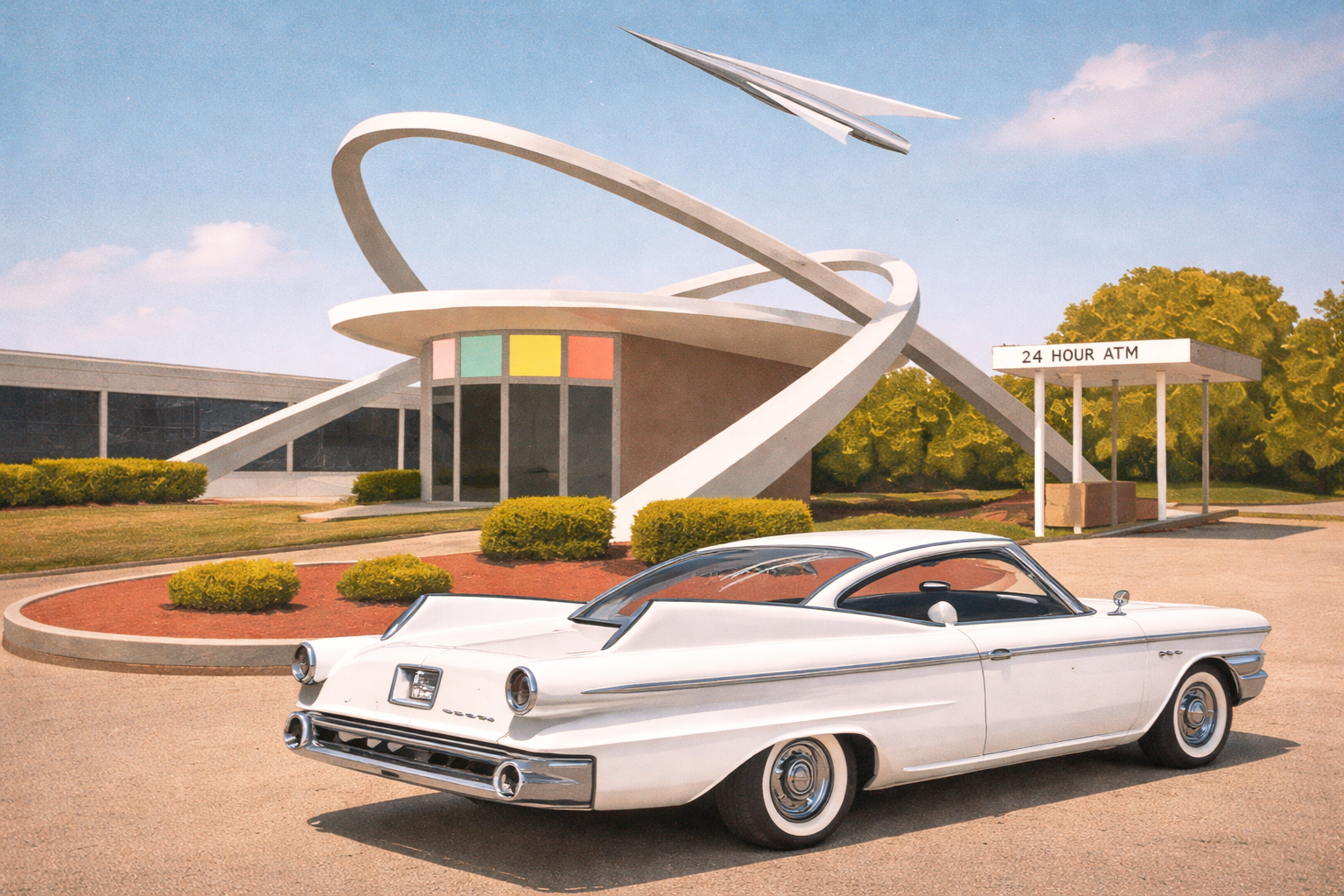
Retrofuturism
These buildings embody the '50s vision of what the future would / could be, giving them rich, retrofuturistic vibes akin to those of The Jetsons
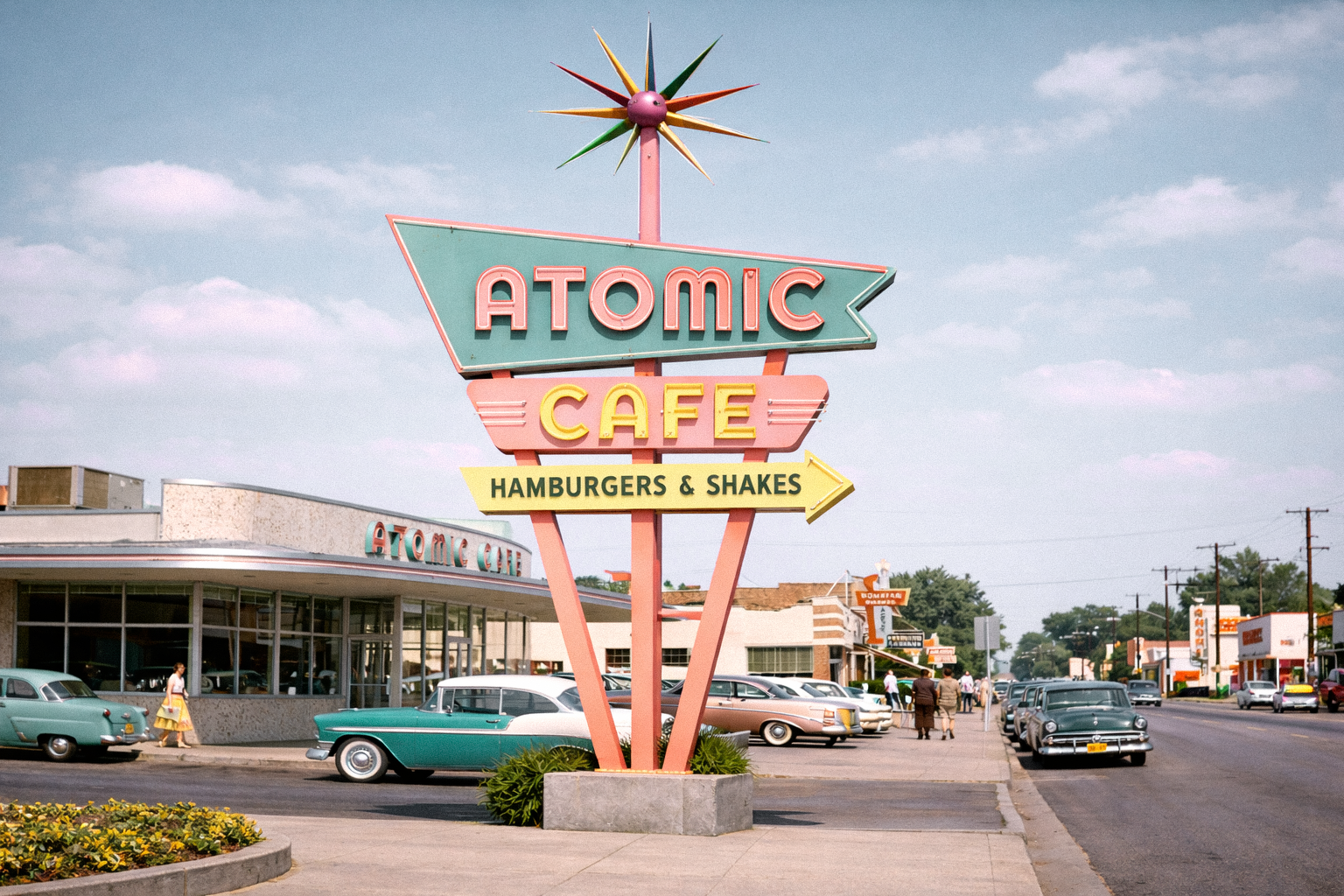
Atomic imagery
Advancements in nuclear science filtered over to architectural details though atomic and nuclear shapes
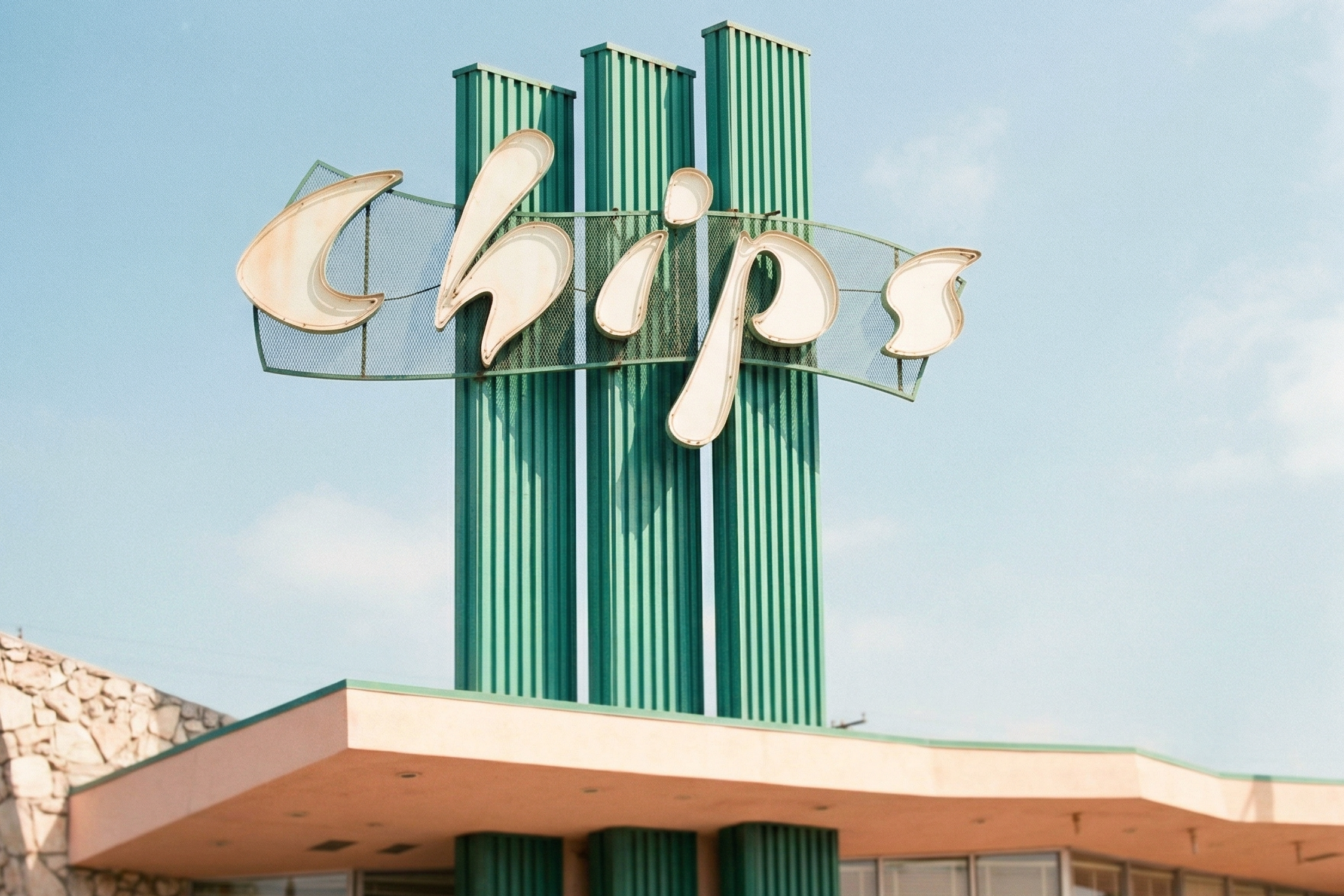
Exaggerated typography
Designed to catch a driver's eye, exaggerated typography was employed by architects to make a splash
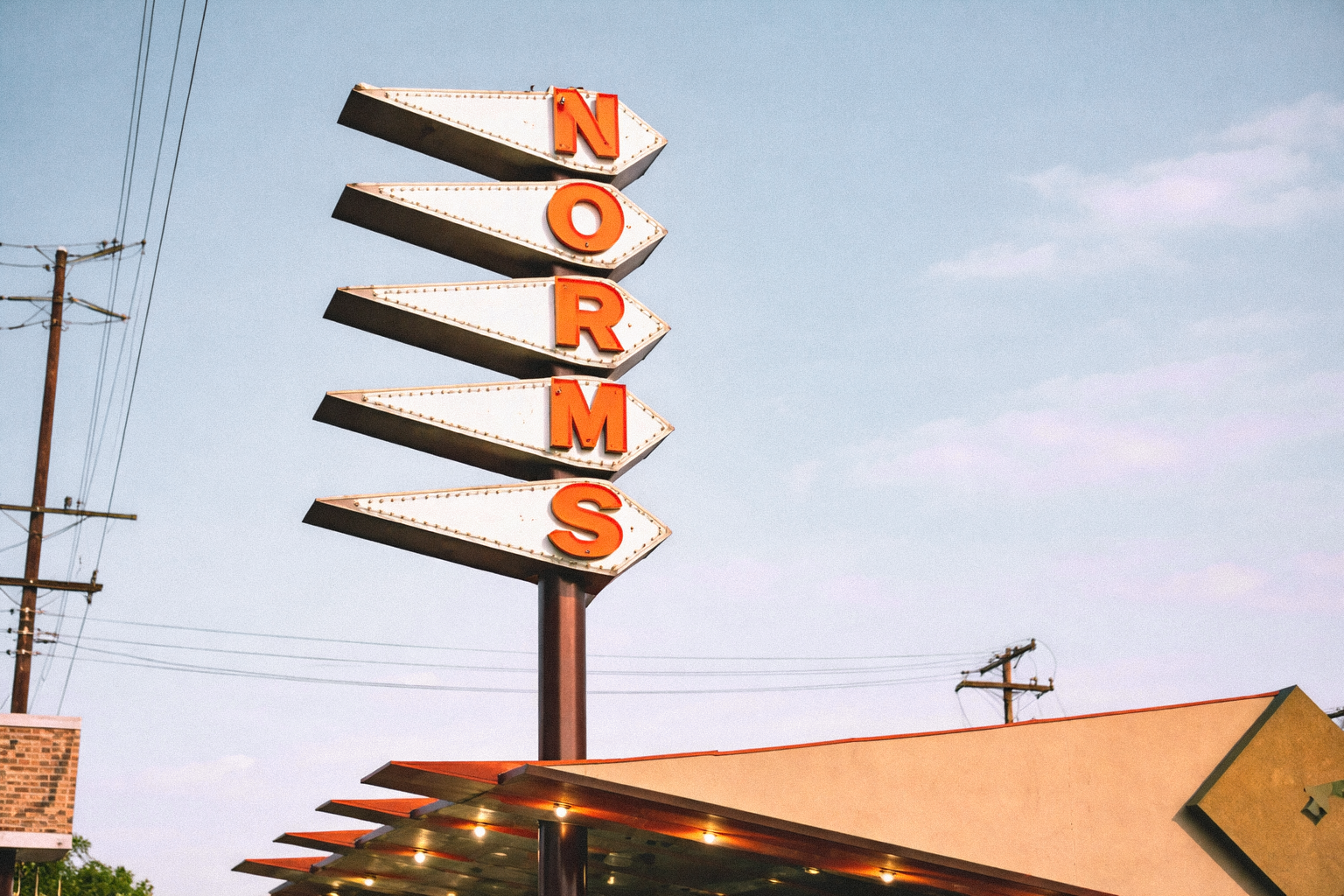
Billboard-style letters
In many scenarios, each letter of a sign would get its own container, further increasing its ability to catch the eye
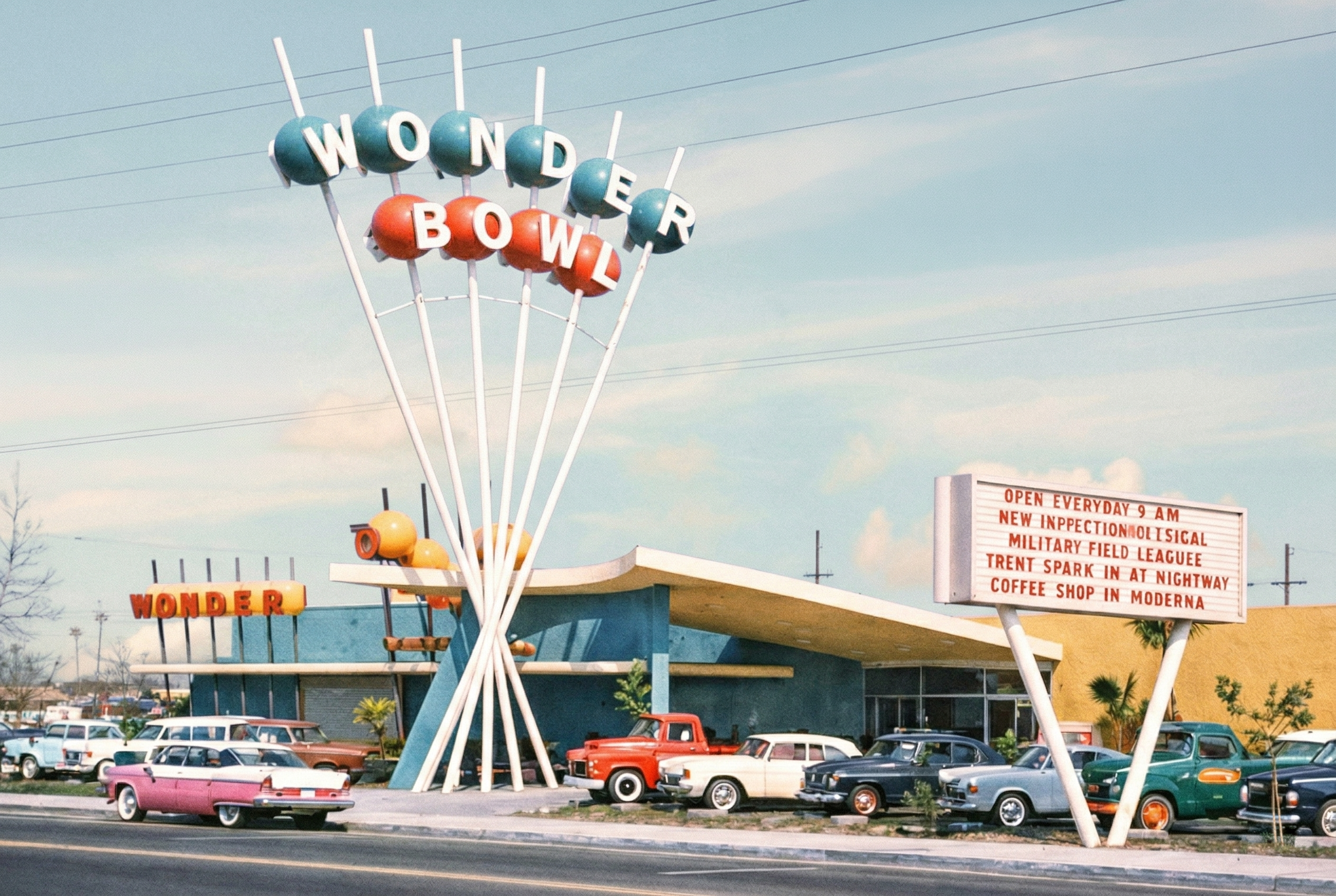
Pylons and antennae
Whether to support cantilevers or just to add Space Age flair, verticality could be found in pylons or antennae, usually in the building's signage
Neon
Though most prominent in the Las Vegas motel variety, neon was a common way to grab attention and could be employed effectively