
Art Deco
Architecture
In the wake of WWI, as Europe sought to move past the difficult period of wartime austerity, a flashy new style of art and architecture emerged out of Paris in 1925. It was unabashedly modern, moving away from the heavy ornament and revivalist tendencies of past styles while employing newer, opulent materials alongside bold colors. Art Deco didn’t totally eliminate decorative flourishes or references to the past – that didn’t happen until the Streamline Moderne style burst onto the scene in the 1930s – but it certainly signaled a firm focus on the future. Perhaps by striking this balance between past, present and future, Art Deco became one of the most iconic and enduring styles in history.
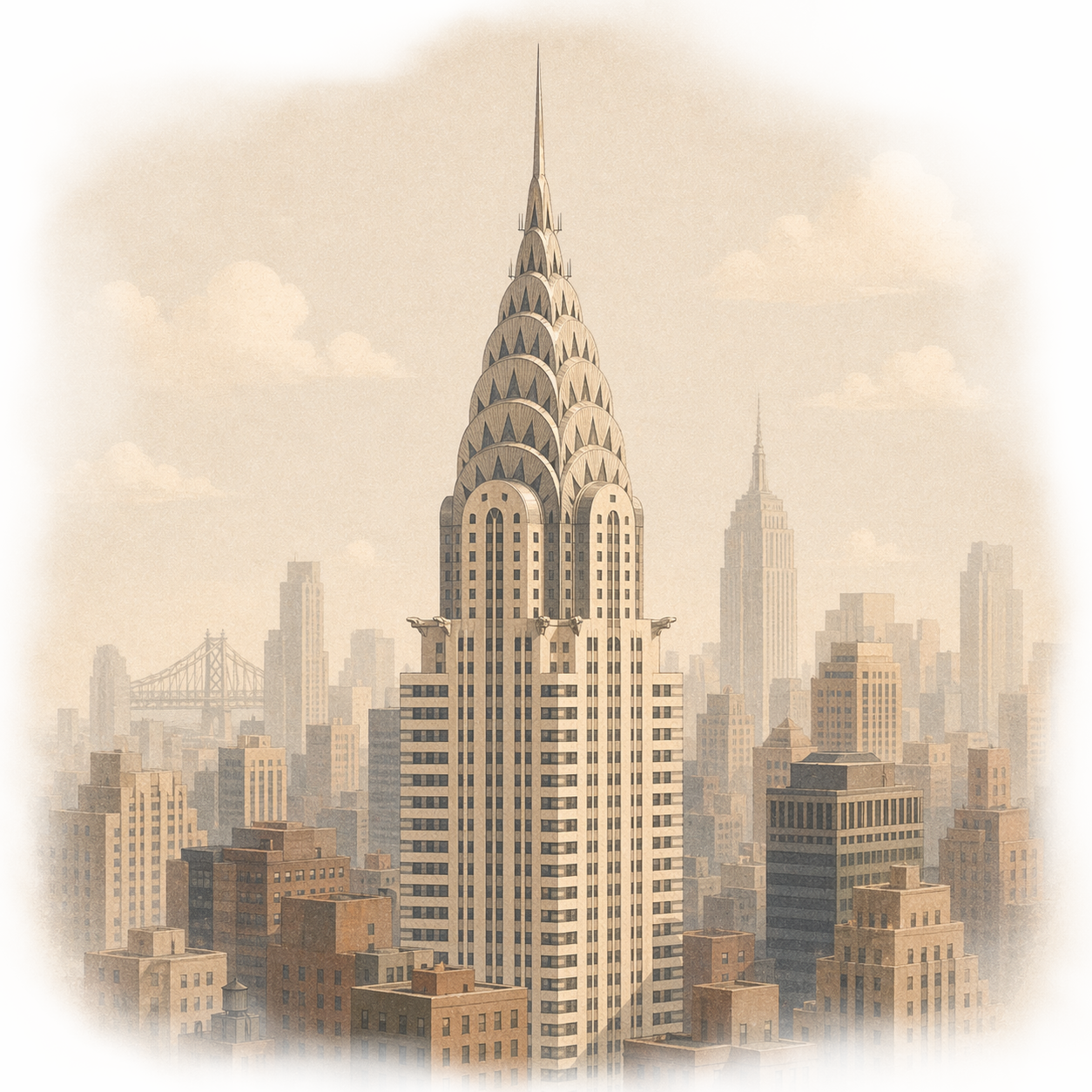
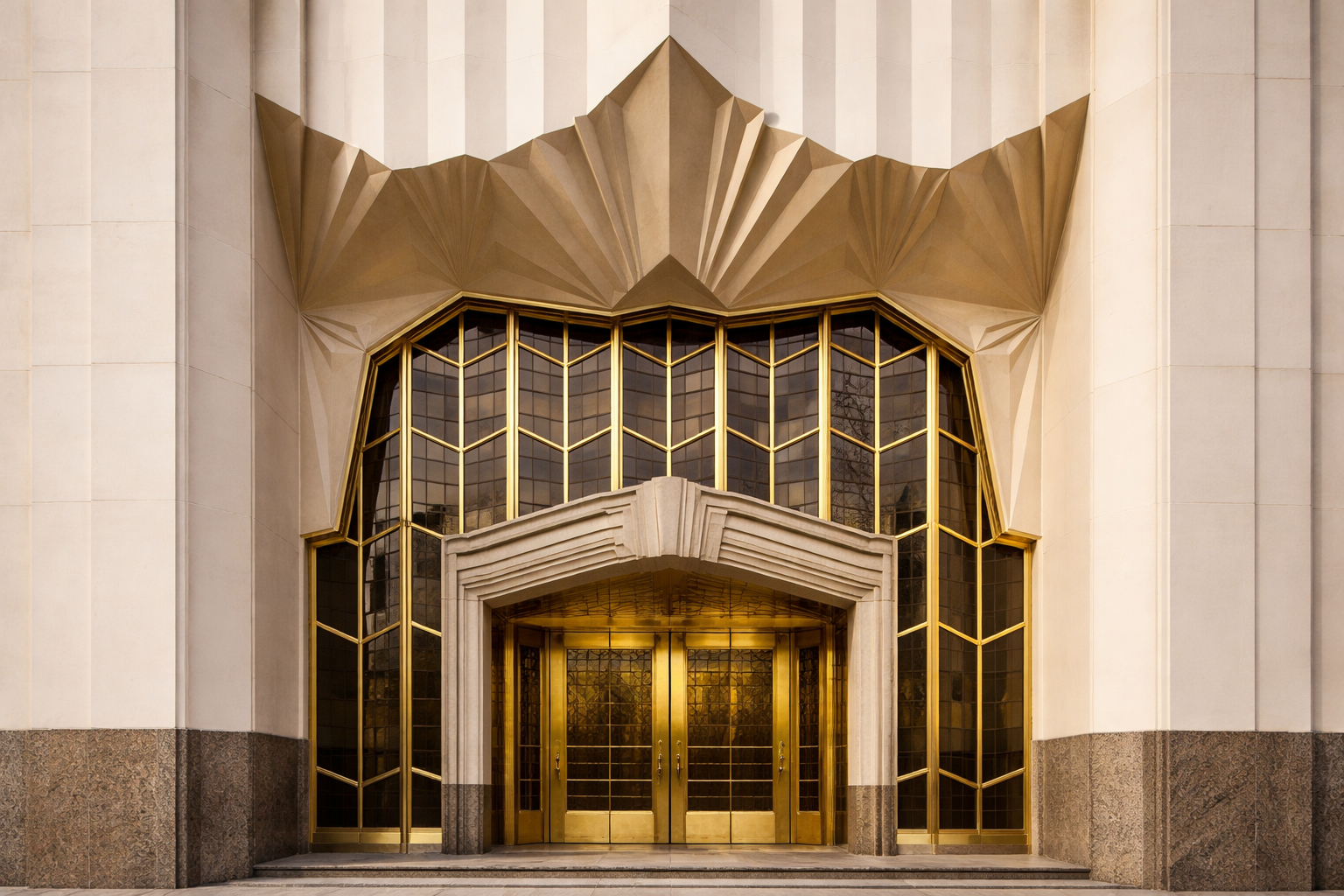
Chiseled angular shapes
Angular building features that look like they were cut out of stone with thick chisel strokes are telltale signs of an Art Deco building
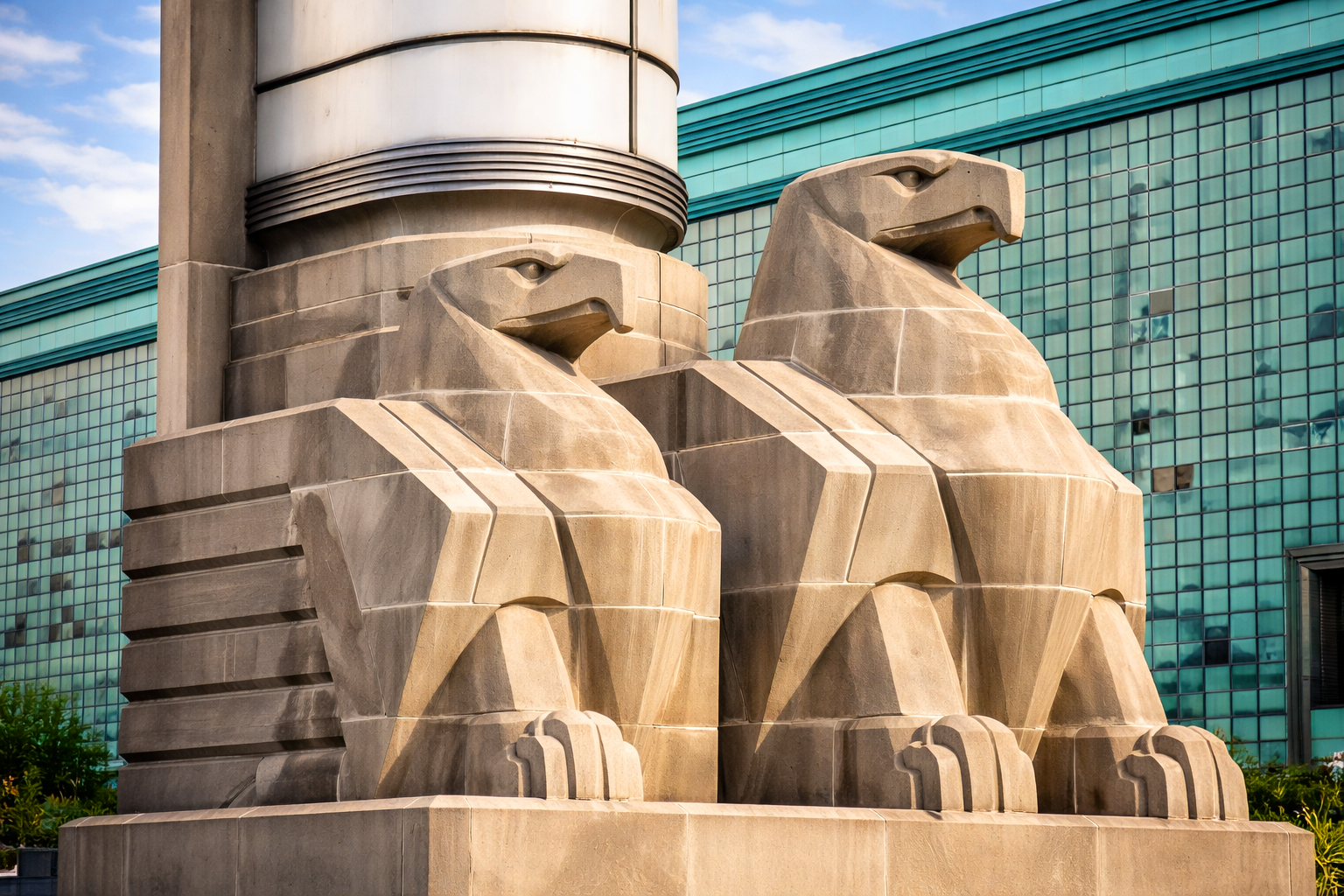
Blocky, stylized ornamentation
Sculptures, reliefs, and other elements of ornamentation are usually blocky and stylized, echoing the overall geometric nature of the style
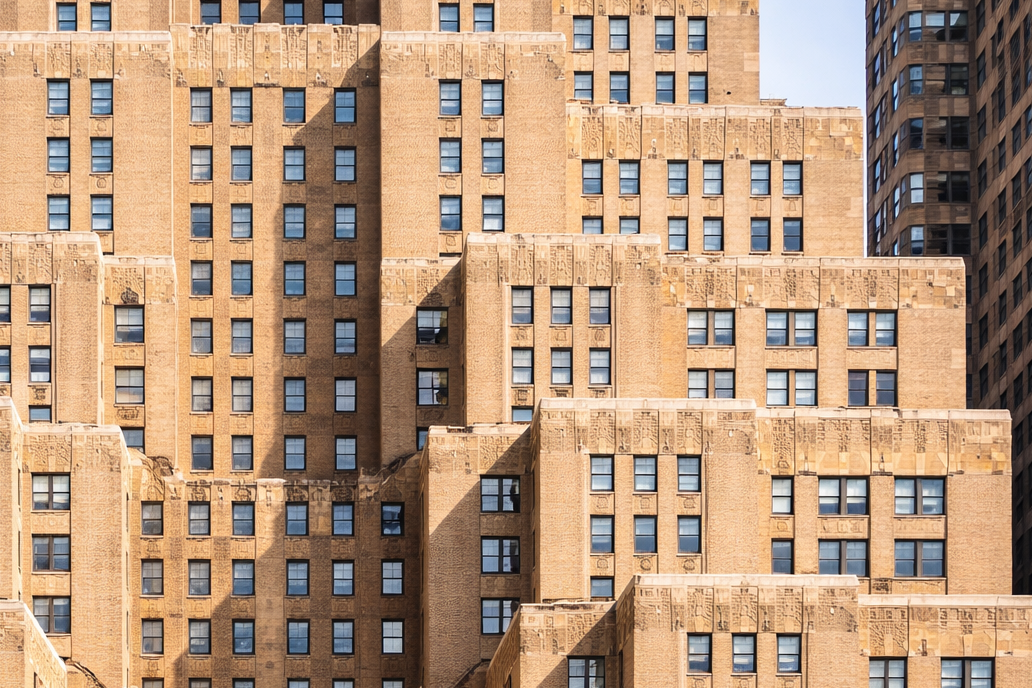
Stepped rectangles
Stepped rectangles of all shapes and sizes are used to create the building's form, both in delicate details and as whole chunks of floors
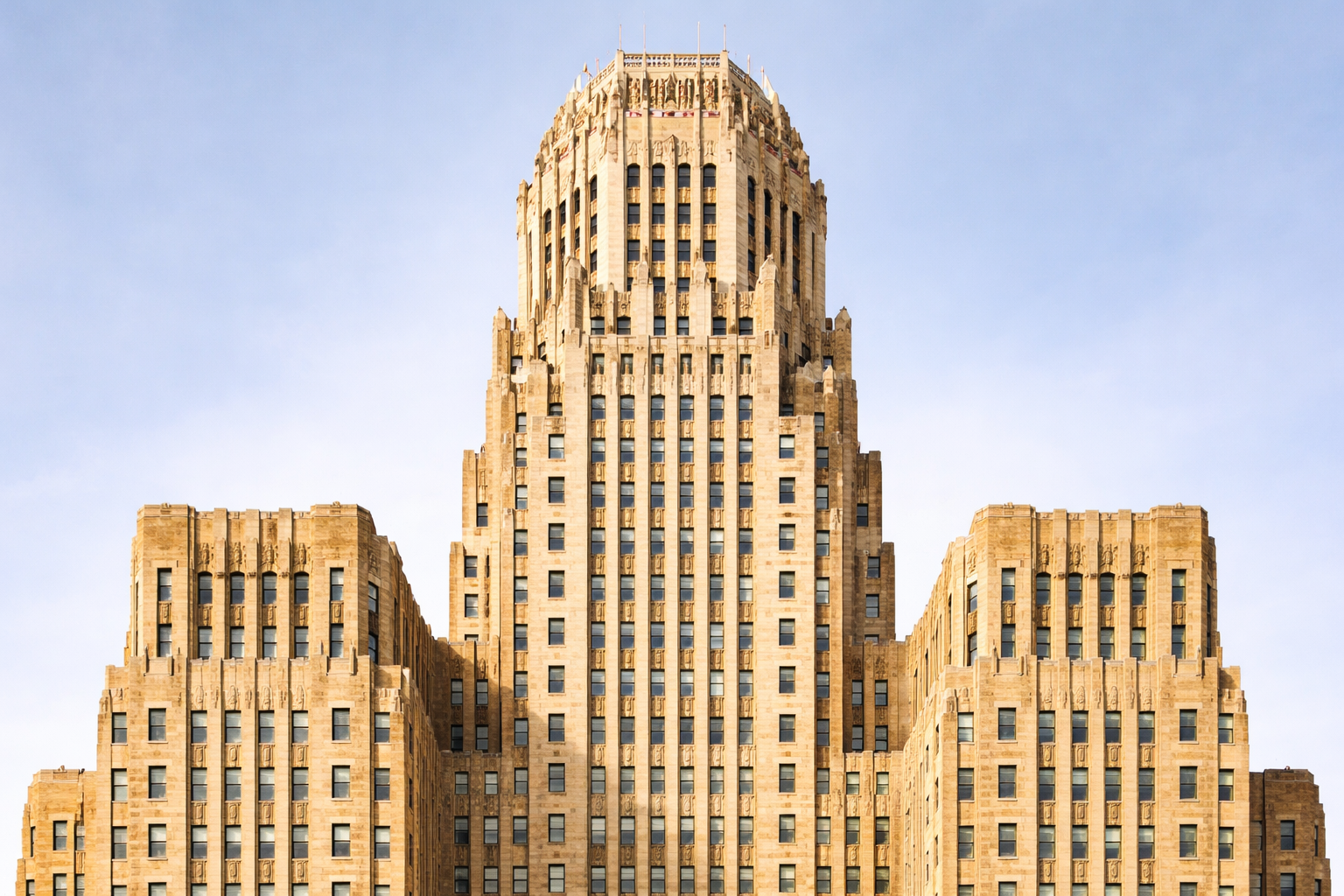
Monolithic forms
Buildings appear as if hewn from a single block, with stepped levels (and setbacks for taller skyscrapers) that create often imposing forms
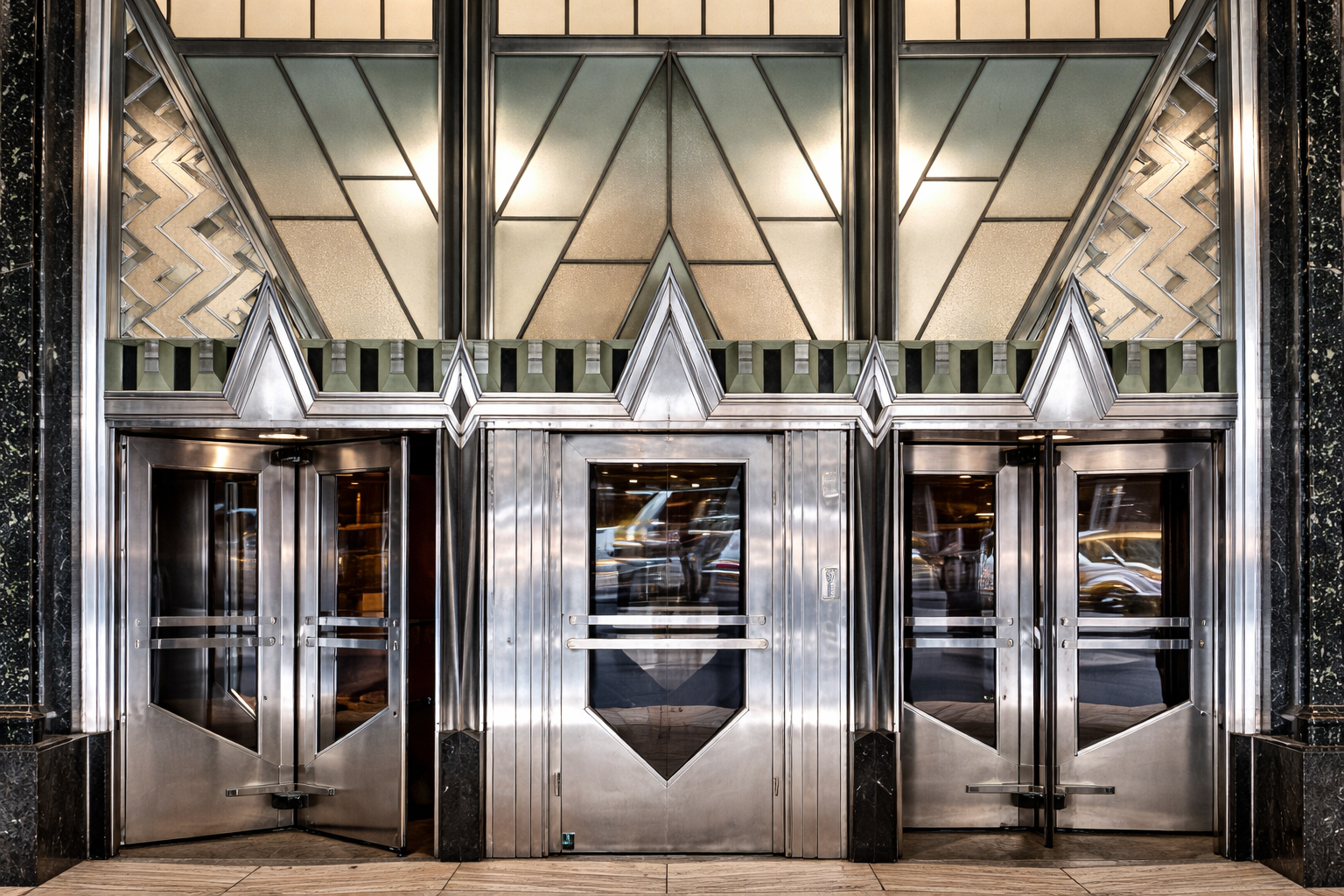
Geometric designs
Geometric shapes like triangles, circles, diamonds and chevrons are used to create both large bold patterns as well as smaller flourishes of ornamentation
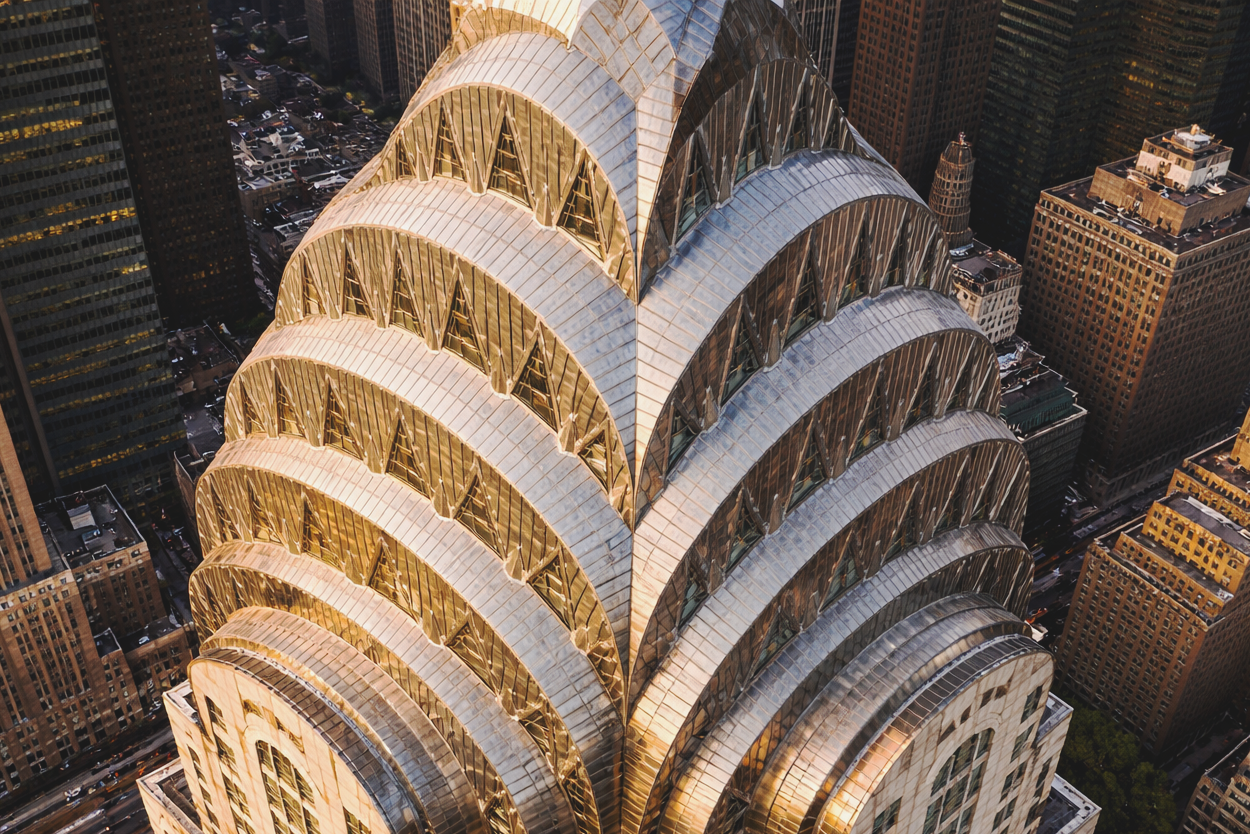
Radiating motifs
Sometimes the geometric shapes are arranged into sunburst patterns, with zigzags and other pointy shapes radiating outwards
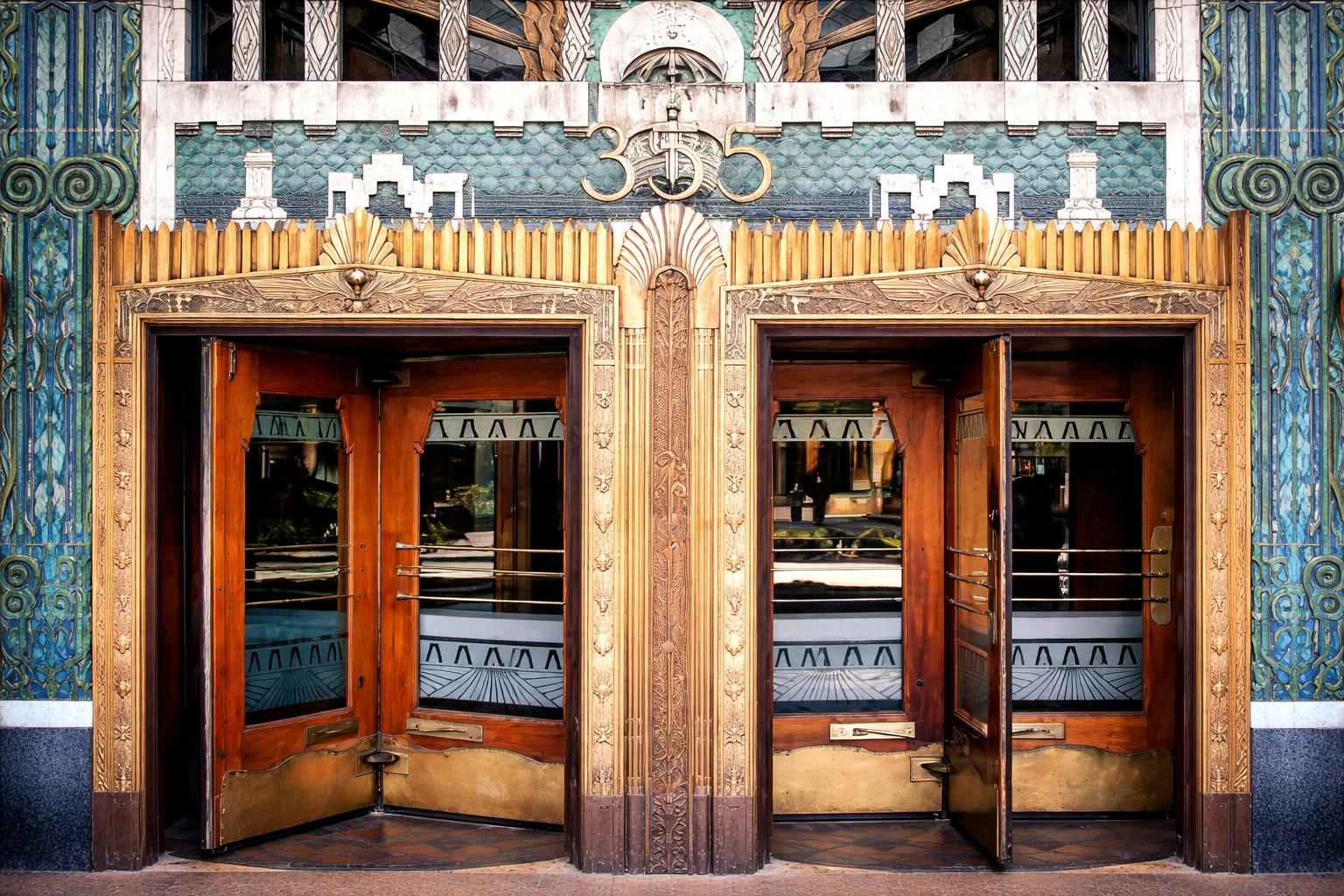
Golds and bolds
In keeping with the theme of modernity, golds, chromes and other bold colors like reds and greens are used liberally to emphasize progress
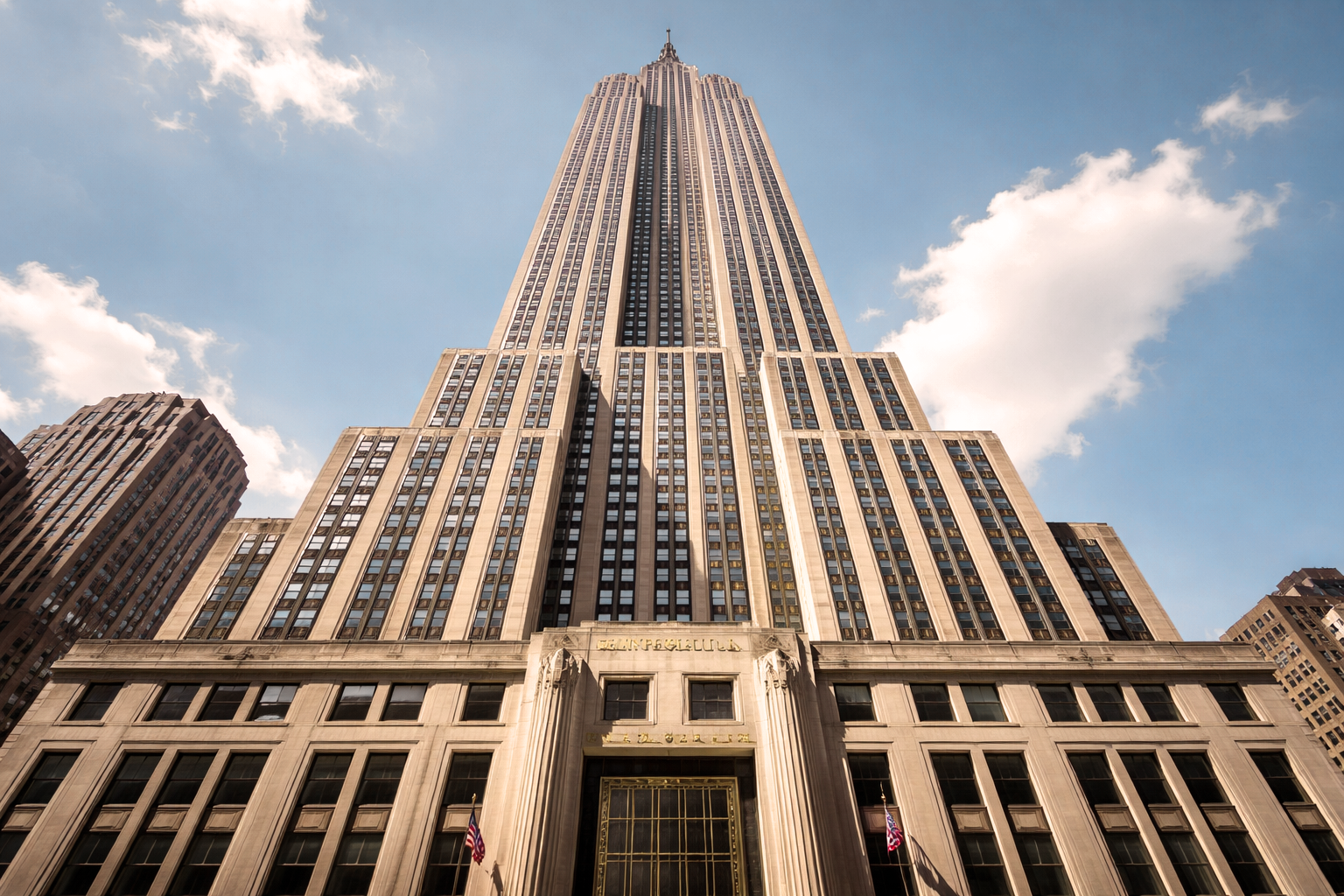
Emphasized verticality
Windows that are taller than they are wide, arranged in continuous vertical bands, combine with panels of stone to draw the eye skyward
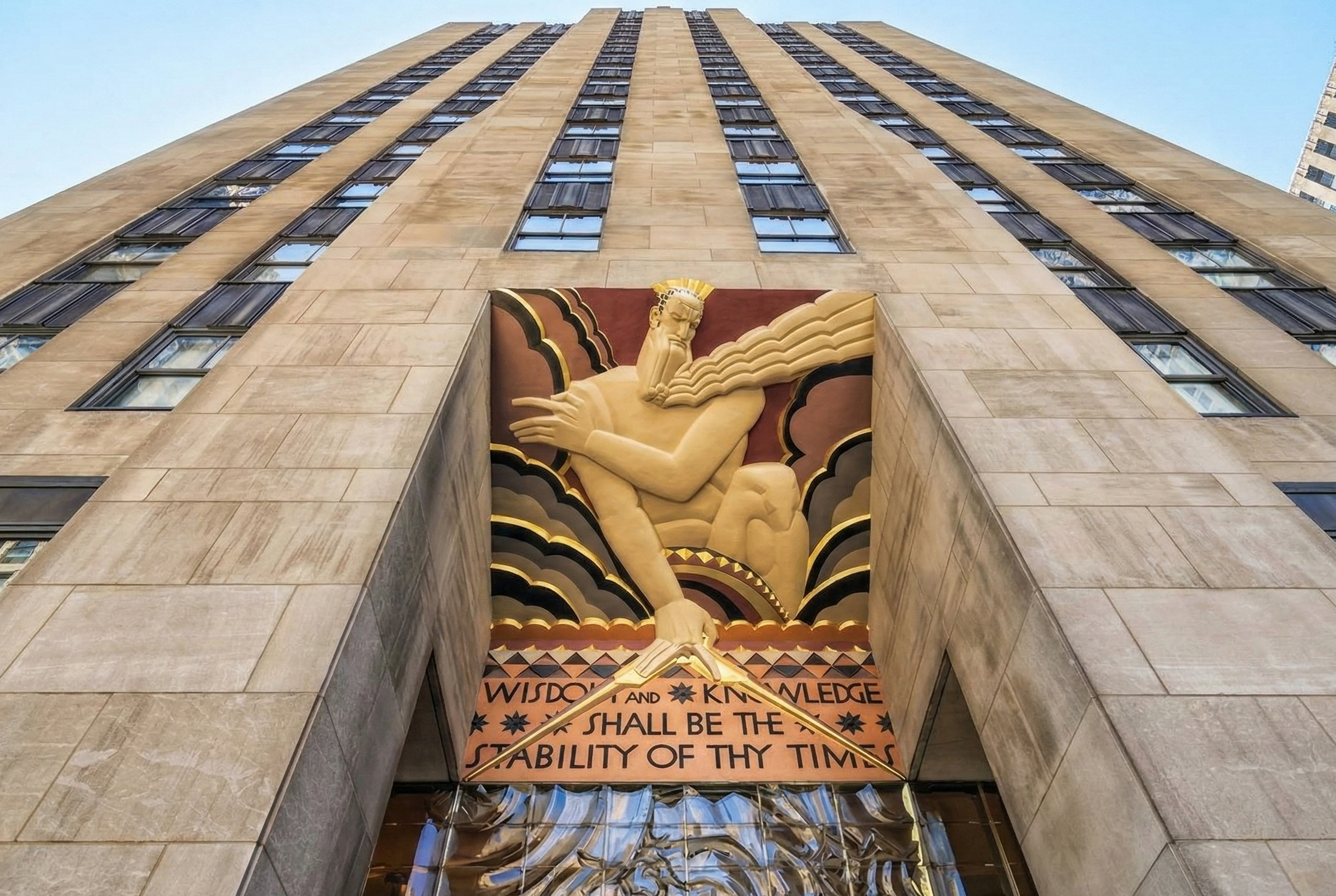
Progress embodied
Lightning bolts, sunrises, and other symbols of a new dawn evoke a feeling of power and progress
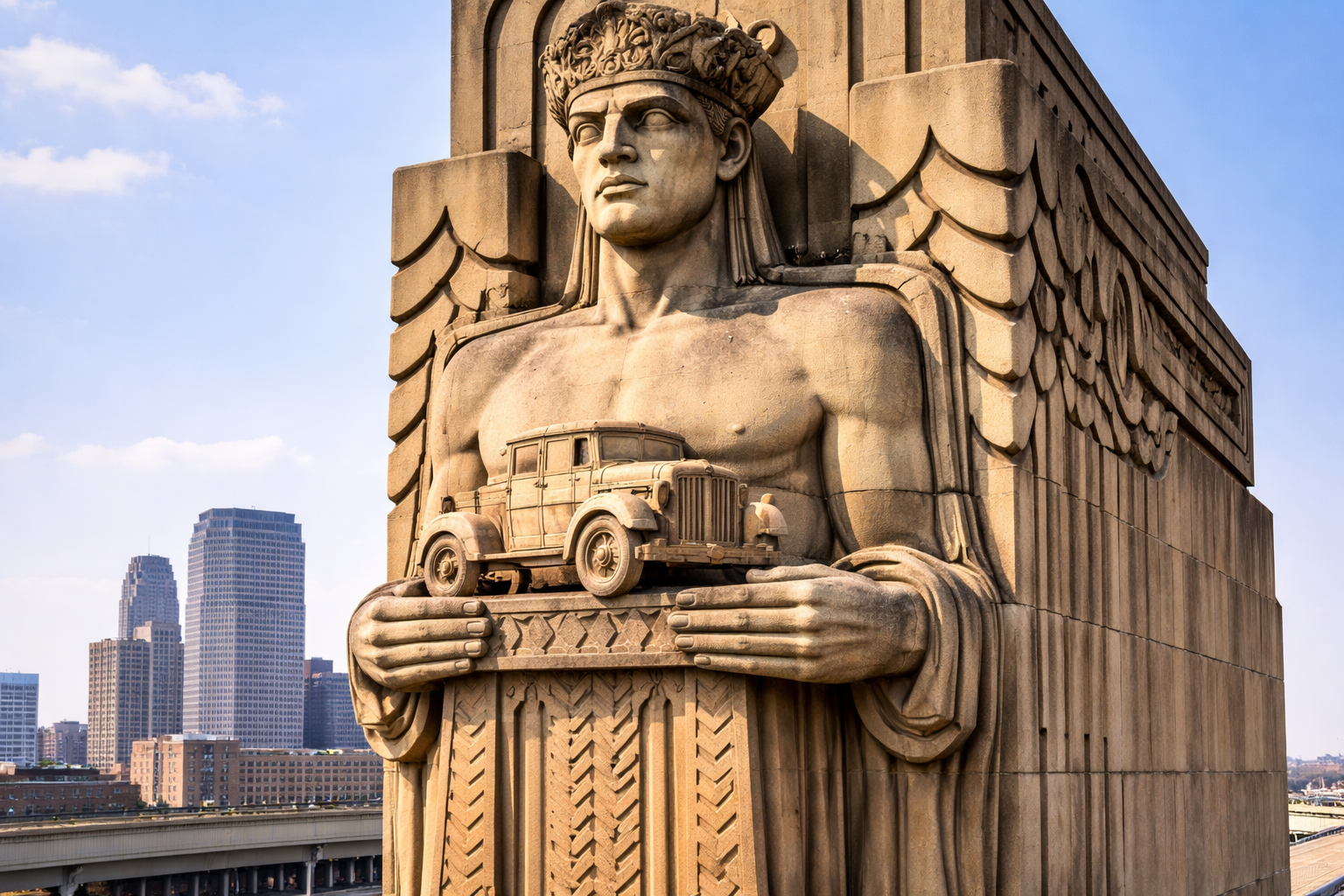
Ancient influences
Though very much modern, Art Deco borrows heavily from designs of erstwhile civilizations like Egyptian, Aztec, and Greek for building details
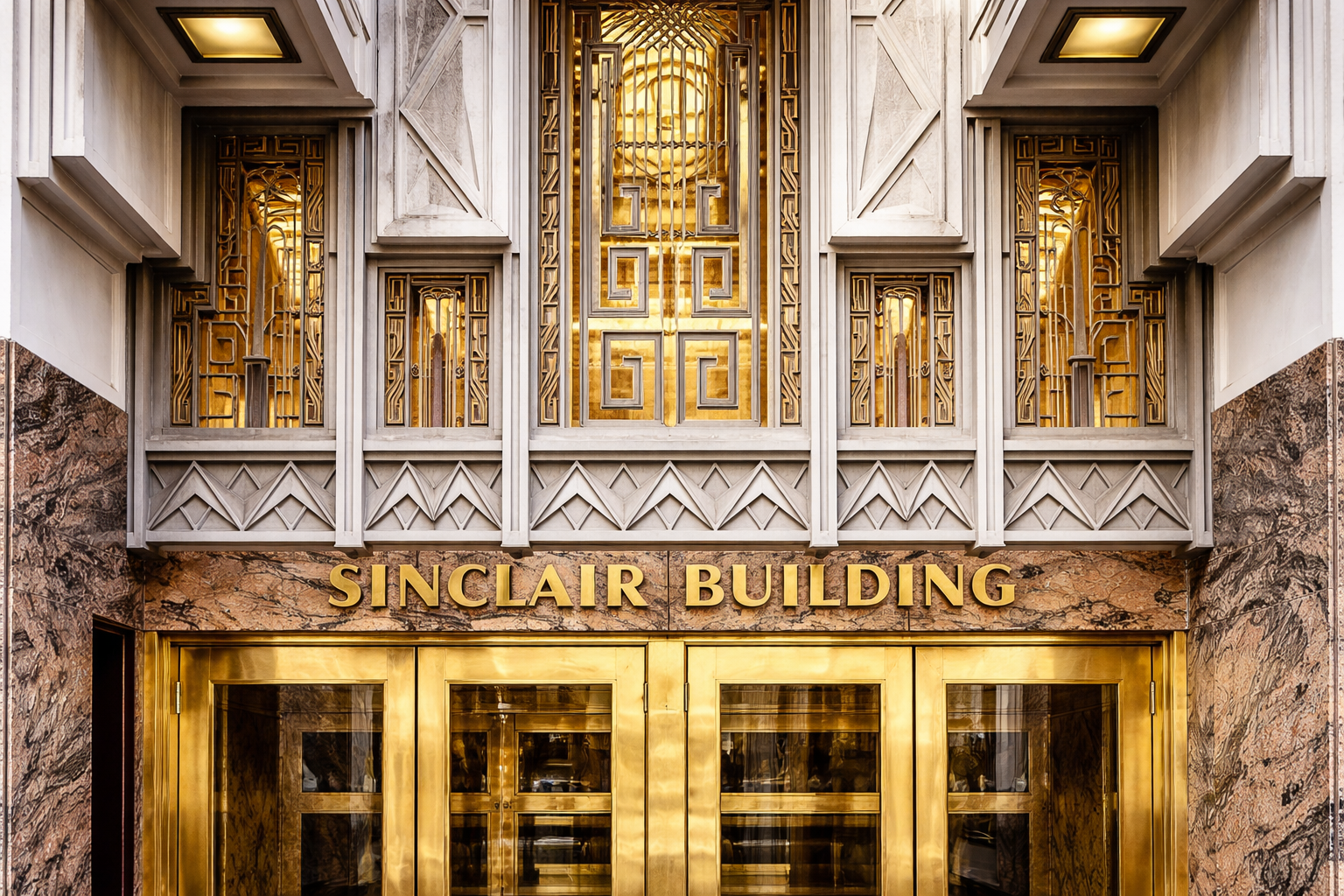
Strong lines and linear details
Aside from more prominent angular features, intricate details can also be added, with straight lines used heavily to create mathematical patterns
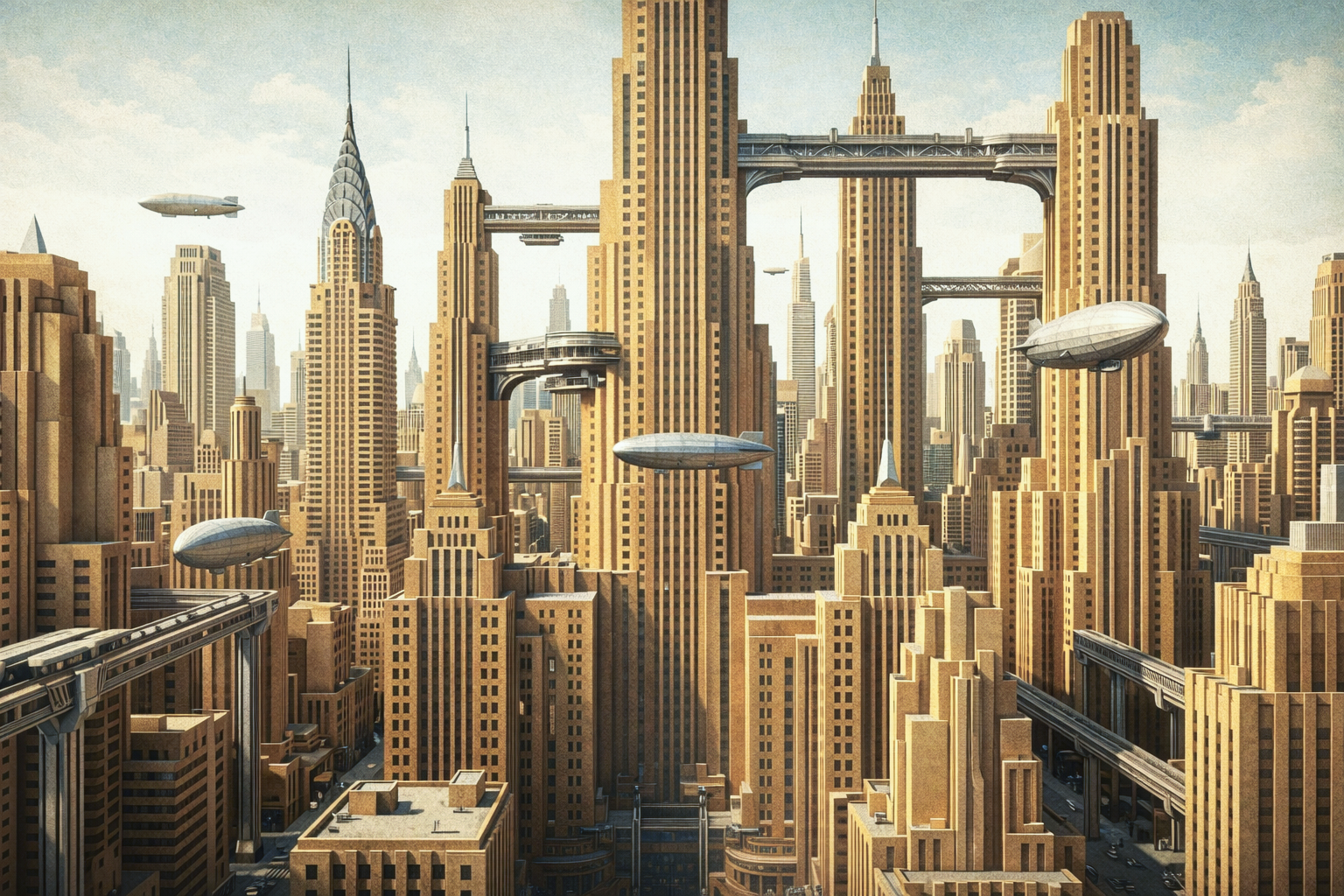
Retrofuturism
Architects at the time had progressive visions about what the style could do for metropolises the world over. Those grand but dated visions live on today
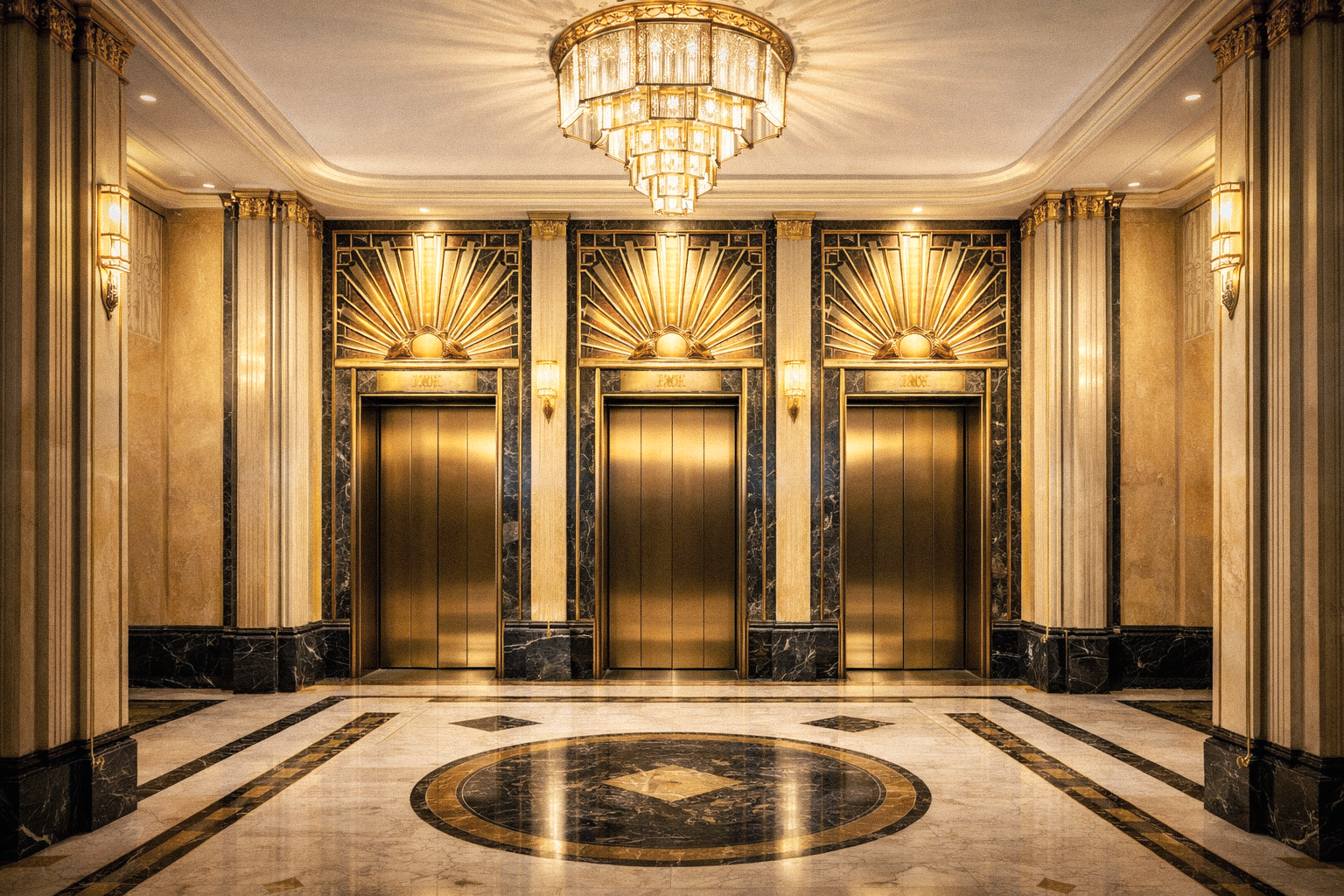
Air of luxury
The opulent materials, the rich colors and the symbols of strength and progress lend an air of luxury to buildings finished with Art Deco details
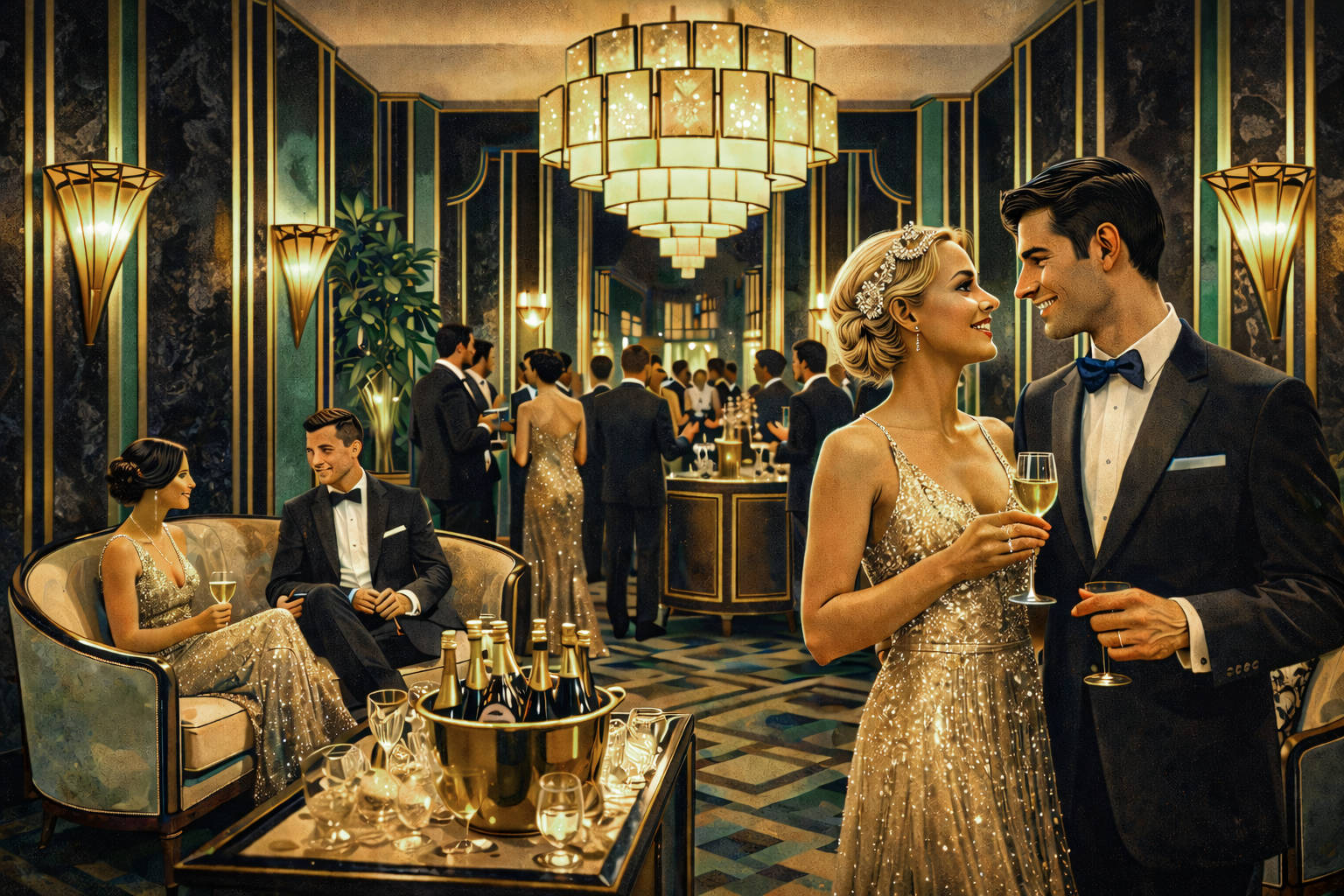
The spirit of the 1920s
Given the era in which it originated, Art Deco is very closely associated with the Roaring '20s, and the zeitgeist of those times can be felt in its designs